Skip to content
Hindi News, हिंदी समाचार, Samachar, Breaking News, Latest Khabar – Pratirodh

Hindi News, हिंदी समाचार, Samachar, Breaking News, Latest Khabar – Pratirodh

Primary Menu Hindi News, हिंदी समाचार, Samachar, Breaking News, Latest Khabar – Pratirodh

Hindi News, हिंदी समाचार, Samachar, Breaking News, Latest Khabar – Pratirodh

  • Home
  • Newswires
  • Politics & Society
  • The New Feudals
  • World View
  • Arts And Aesthetics
  • For The Record
  • About Us
  • Featured

Long Working Hours Are A Killer, WHO Study Shows
May 17, 2021 | Pratirodh Bureau

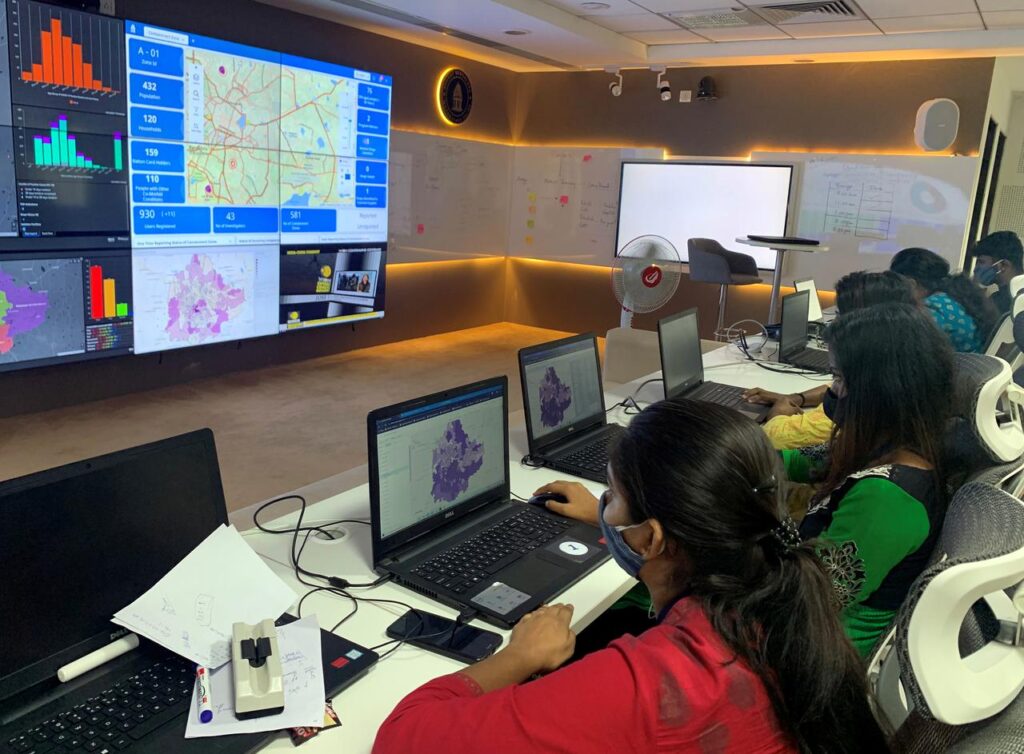
FILE PHOTO: Software professionals assisting municipal authorities work on their terminals inside a "war room" focused on tracking the spread of the coronavirus disease at the Bruhat Bengaluru Mahanagara Palike office in Bengaluru on July 2, 2020

Working long hours is killing hundreds of thousands of people a year in a worsening trend that may accelerate further due to the COVID-19 pandemic, the World Health Organization said on Monday.

In the first global study of the loss of life associated with longer working hours, the paper in the journal Environment International showed that 745,000 people died from stroke and heart disease associated with long working hours in 2016.

That was an increase of nearly 30% from 2000.

“Working 55 hours or more per week is a serious health hazard,” said Maria Neira, director of the WHO’s Department of Environment, Climate Change and Health.

“What we want to do with this information is promote more action, more protection of workers,” she said.

The joint study, produced by the WHO and the International Labour Organization, showed that most victims (72%) were men and were middle-aged or older. Often, the deaths occurred much later in life, sometimes decades later, than the shifts worked.

It also showed that people living in Southeast Asia and the Western Pacific region — a WHO-defined region which includes China, Japan and Australia — were the most affected.

Overall, the study – drawing on data from 194 countries – said that working 55 hours or more a week is associated with a 35% higher risk of stroke and a 17% higher risk of dying from ischemic heart disease compared with a 35-40 hour working week.

The study covered the period 2000-2016, and so did not include the COVID-19 pandemic, but WHO officials said the surge in remote working and the global economic slowdown resulting from the coronavirus emergency may have increased the risks.

“The pandemic is accelerating developments that could feed the trend towards increased working time,” the WHO said, estimating that at least 9% of people work long hours.

WHO staff, including its chief Tedros Adhanom Ghebreyesus, say they have been working long hours during the pandemic and Neira said the U.N. agency would seek to improve its policy in light of the study.

Capping hours would be beneficial for employers since that has been shown to increase worker productivity, WHO technical officer Frank Pega said.

“It’s really a smart choice not to increase long working hours in an economic crisis.”

Tags: COVID-19 pandemic, Pratirodh, workers, World Health Organization

Continue Reading

Previous Telecom Operators Urge Haryana Govt To Curb 5G Testing Rumours
Next 10 States Have Over 75% Of India’s Total Active Covid Cases

More Stories

  • Featured

Delhi’s Toxic Air Rises, So Does The Crackdown On Protesters

2 weeks ago Pratirodh Bureau
  • Featured

A Celebration of Philately Leaves Its Stamp On Enthusiasts In MP

2 weeks ago Pratirodh Bureau
  • Featured

Groundwater Management In South Asia Must Put Farmers First

2 weeks ago Pratirodh Bureau

Recent Posts

  • Delhi’s Toxic Air Rises, So Does The Crackdown On Protesters
  • A Celebration of Philately Leaves Its Stamp On Enthusiasts In MP
  • Groundwater Management In South Asia Must Put Farmers First
  • What The Sheikh Hasina Verdict Reveals About Misogyny In South Asia
  • Documentaries Rooted In Land, Water & Culture Shine At DIFF
  • Electoral Roll Revision Is Sparking Widespread Social Anxieties
  • Over 100 Journalists Call Sheikh Hasina Verdict ‘Biased’, ‘Non-Transparent’
  • Belém’s Streets Turn Red, Black And Green As People March For Climate Justice
  • Shark Confusion Leaves Fishers In Tamil Nadu Fearing Penalties
  • ‘Nitish Kumar Would Win Only 25 Seats Without Rs 10k Transfers’
  • Saalumarada Thimmakka, Mother Of Trees, Has Died, Aged 114
  • Now, A Radical New Proposal To Raise Finance For Climate Damages
  • ‘Congress Will Fight SIR Legally, Politically And Organisationally’
  • COP30 Summit Confronts Gap Between Finance Goals And Reality
  • Ethiopia Famine: Using Starvation As A Weapon Of War
  • Opposition Leaders Unleash Fury Over Alleged Electoral Fraud in Bihar
  • In AP And Beyond, Solar-Powered Cold Storage Is Empowering Farmers
  • The Plot Twists Involving The Politics Of A River (Book Review)
  • Red Fort Blast: Congress Demands Resignation Of Amit Shah
  • Here’s Why Tackling Climate Disinformation Is On The COP30 Agenda

Search

Main Links

  • Home
  • Newswires
  • Politics & Society
  • The New Feudals
  • World View
  • Arts And Aesthetics
  • For The Record
  • About Us

Related Stroy

  • Featured

Delhi’s Toxic Air Rises, So Does The Crackdown On Protesters

2 weeks ago Pratirodh Bureau
  • Featured

A Celebration of Philately Leaves Its Stamp On Enthusiasts In MP

2 weeks ago Pratirodh Bureau
  • Featured

Groundwater Management In South Asia Must Put Farmers First

2 weeks ago Pratirodh Bureau
  • Featured

What The Sheikh Hasina Verdict Reveals About Misogyny In South Asia

3 weeks ago Shalini
  • Featured

Documentaries Rooted In Land, Water & Culture Shine At DIFF

3 weeks ago Pratirodh Bureau

Recent Posts

  • Delhi’s Toxic Air Rises, So Does The Crackdown On Protesters
  • A Celebration of Philately Leaves Its Stamp On Enthusiasts In MP
  • Groundwater Management In South Asia Must Put Farmers First
  • What The Sheikh Hasina Verdict Reveals About Misogyny In South Asia
  • Documentaries Rooted In Land, Water & Culture Shine At DIFF
Copyright © All rights reserved. | CoverNews by AF themes.