Fuel Fiasco: Government’s Empty Promises Amid Oil Crisis Queues
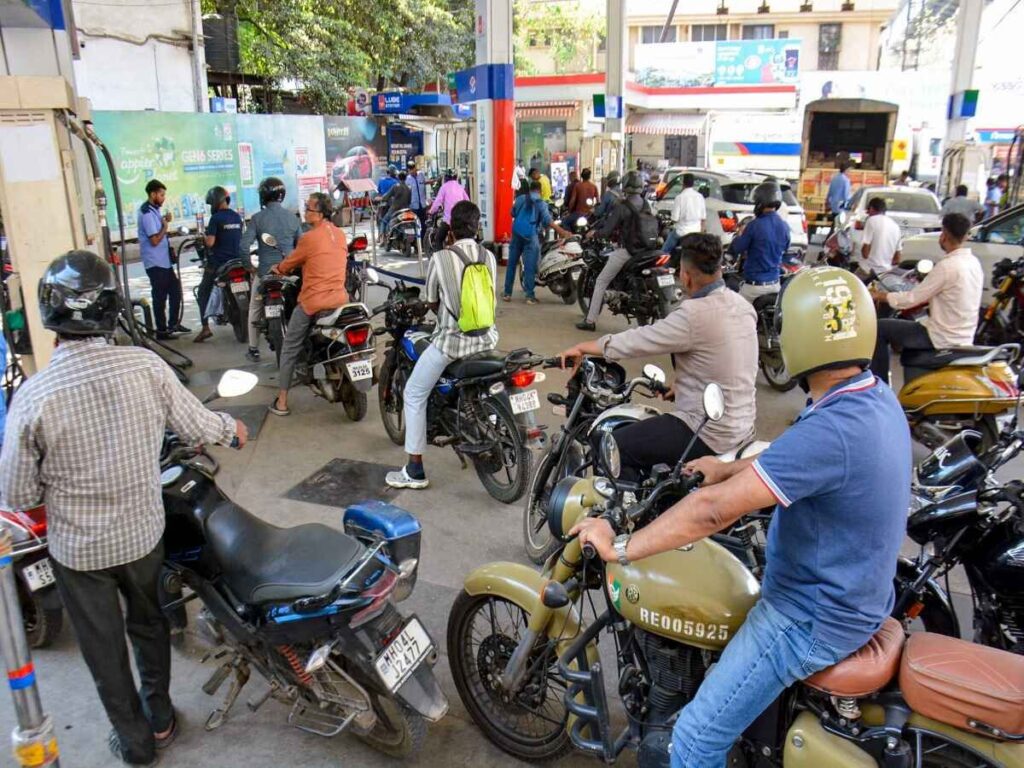
Kharge's criticism came after state-run oil marketing companies announced another increase in fuel prices within days of the previous hike, triggering sharp reactions from Opposition parties over rising inflation and the increasing cost of living (Image: PTI)
India’s fuel supply crisis, intensified by the escalating conflict in West Asia, has plunged major cities into chaos, exposing the fragility of the nation’s energy security. While the government clings to assurances of ample reserves, the stark reality of endless queues at petrol pumps across Mumbai, Delhi, Lucknow, Hyderabad, Bengaluru, and beyond paints a damning picture of mismanagement and denial. Official platitudes ring hollow as millions grapple with fuel scarcity, soaring black market prices, and mounting economic distress. This disconnect between ministerial statements and ground realities underscores a deeper failure in policy foresight and crisis response.
Official Denials vs. Ground Realities
The Ministry of Petroleum and Natural Gas has repeatedly insisted that India’s fuel stocks are “robust and adequate,” with strategic reserves and diversified imports shielding the country from Gulf disruptions. Senior officials, in scripted press briefings, urge calm, blaming “panic buying” and “misinformation” for the chaos. Prime Minister Narendra Modi’s administration has even invoked anti-hoarding measures, deploying teams to crack down on stockpiling. Yet, these claims crumble under scrutiny. Strategic Petroleum Reserves (SPR) hold just 5.33 million tonnes—enough for merely 10 days of consumption—far short of the 90-day buffer recommended globally. Diversification efforts, touted as a success, still leave 85% of India’s 5 million barrels per day crude imports vulnerable to Middle East volatility, with Saudi Arabia and Iraq supplying over 60%.
On the ground, the narrative is one of desperation. In Delhi’s bustling streets, auto-rickshaw drivers like Ramesh Kumar wait over four hours daily, only to be turned away with half-empty tanks. “The government lies through its teeth,” fumes Kumar, whose daily earnings have halved amid rationed fuel. Mumbai’s suburbs see diesel vanishing for generators, forcing small businesses to shutter early. Hyderabad reports pumps limiting sales to ₹500 per vehicle, sparking fistfights among irate motorists. Social media erupts with viral videos of kilometre-long queues snaking through Bengaluru’s tech corridors, where white-collar workers abandon cars for public transport. Lucknow and Jaipur mimic this frenzy, with women queuing at dawn to fuel family scooters before school runs.
This isn’t mere perception—it’s systemic breakdown. Logistical snarls plague refineries: delayed tankers from the Strait of Hormuz face customs delays, while uneven distribution favors metros over hinterlands. Refineries operate at 90% capacity, but aging infrastructure and maintenance backlogs exacerbate shortages. Black marketeers thrive, peddling petrol at double the ₹100/litre official rate. The government’s response? Token raids yielding negligible results, while pump operators, squeezed by unpaid subsidies, impose unofficial quotas. Critics argue this reflects chronic underinvestment: India’s refining capacity lags demand by 20%, forcing costly imports of finished products amid global price spikes from $70 to $95 per barrel.
The Modi government’s track record amplifies the critique. Pre-election promises of energy self-reliance via ethanol blending and green hydrogen remain unfulfilled, with blending stuck at 12% against a 20% target. Subsidies balloon to ₹30,000 crore annually, yet consumers face hikes. During the 2022 Russia-Ukraine war, similar queues were dismissed as “temporary,” only for inflation to surge 7%. Now, with West Asia aflame, history repeats: opaque communication breeds panic, eroding trust. Why no preemptive stockpiling? Why no transparent dashboards tracking stocks, as in the US? The answer lies in electoral calculus—admitting vulnerability risks backlash ahead of state polls.
Economic Fallout and Path to Resilience
The human cost mounts daily. Delivery drivers lose wages, farmers delay Kharif sowing sans diesel for tractors, and industries halt amid power cuts from generator shortages. Inflation ticks up 0.5-1%, hitting the poor hardest as transport costs soar. Small eateries in Pune close, cabbies in Chennai protest, and Mumbai’s dabbawalas—the city’s lunchbox heroes—scale back routes. Economists warn of a 0.3% GDP drag if shortages persist, echoing the 1991 Gulf War’s 2% hit.
Government inaction borders on negligence. Instead of emergency measures like ration cards for fuel or EV incentives, it peddles nationalism: “Atmanirbhar in crisis.” Diversification rhetoric ignores reality—new suppliers like the US cost 20% more, straining forex reserves. Biofuel push falters; sugarcane shortages hobble ethanol. Nuclear and renewables, promised as saviors, contribute under 10% of energy needs.
A credible path forward demands accountability. Mandate real-time stock disclosures, accelerate refinery expansions like Ratnagiri (delayed since 2019), and enforce anti-hoarding with AI surveillance. Subsidize public transport surges, fast-track EV charging, and negotiate long-term deals with non-Gulf suppliers. Most critically, rebuild trust: Admit strains, outline contingencies, and prioritize vulnerable sectors.
India’s oil crisis isn’t just about queues—it’s a referendum on governance. The government’s smug denials amid visible suffering betray a leadership out of touch. As pumps run dry and tempers flare, citizens pay the price for complacency. Without urgent reform, the next shock will paralyze harder. Time to refuel policy, not just vehicles.