Local Solution To Farming Woes? Grow A Pear!
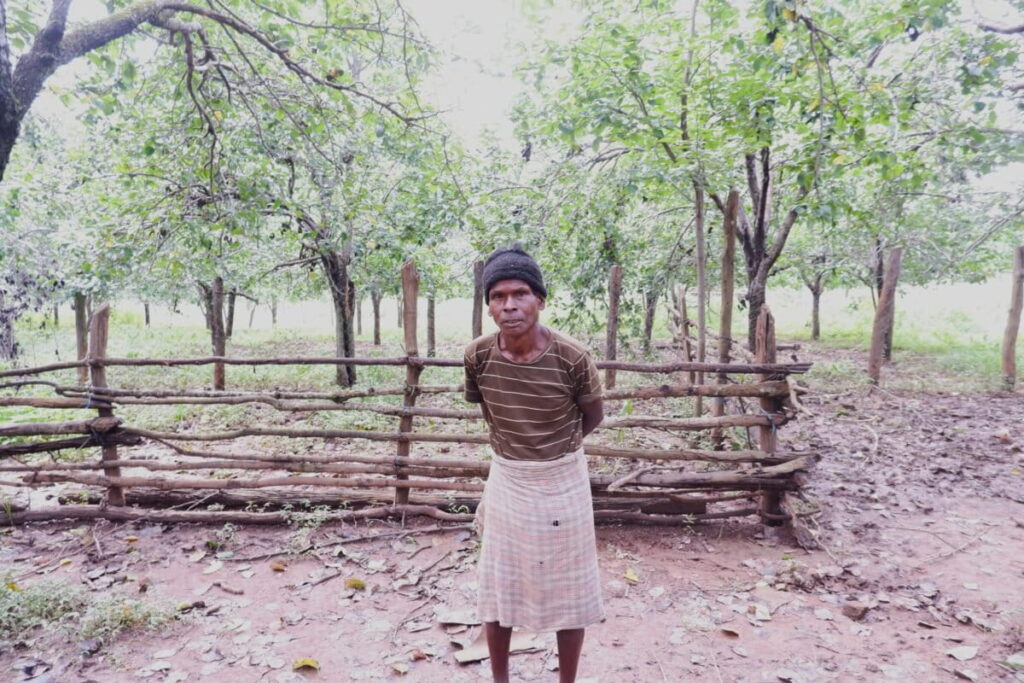
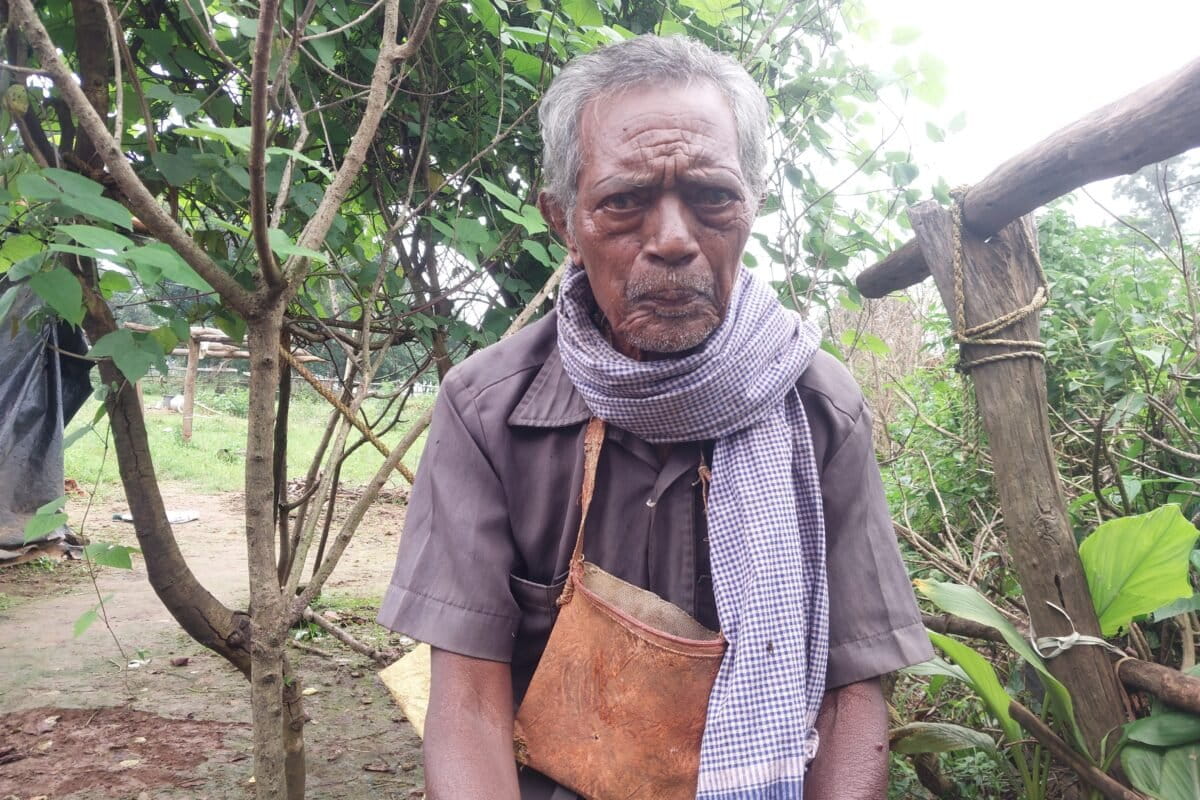
Motsaya Asur, a 55-year-old farmer, stands in front of his pear orchard. A decade ago, tired of the uncertainties of other crops, he planted pear saplings on one acre. Now over 100 trees strong, the orchard earns him a steady income of around ₹1.5 lakh every year (Image by Ashwini Kumar Shukla)
- Pear cultivation has transformed Netarhat’s rural economy, offering stable incomes and reducing migration among indigenous communities.
- Despite widespread adoption of pear farming, farmers struggle with unfair auction systems and lack of basic infrastructure such as cold storage.
- Climate change threatens the gains, raising concerns about the future viability of pear farming in the region.
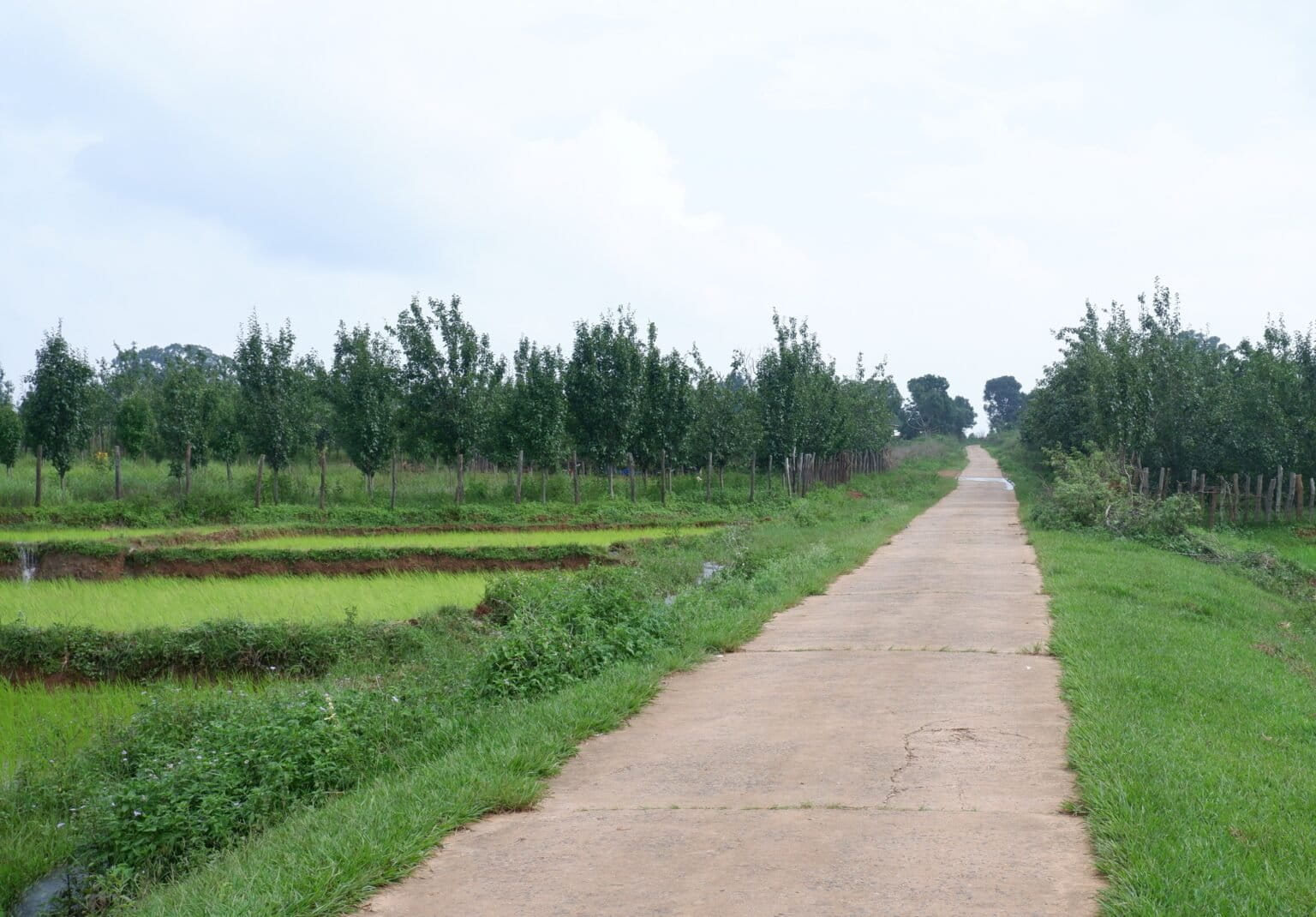
Netarhat, often referred to as the queen of the Chotanagpur Plateau, is known for its green meadows and pear orchards. For visitors to this part of Jharkhand, these orchards are a symbol of natural beauty. For the Indigenous communities here, however, they are the backbone of a quiet rural transformation.
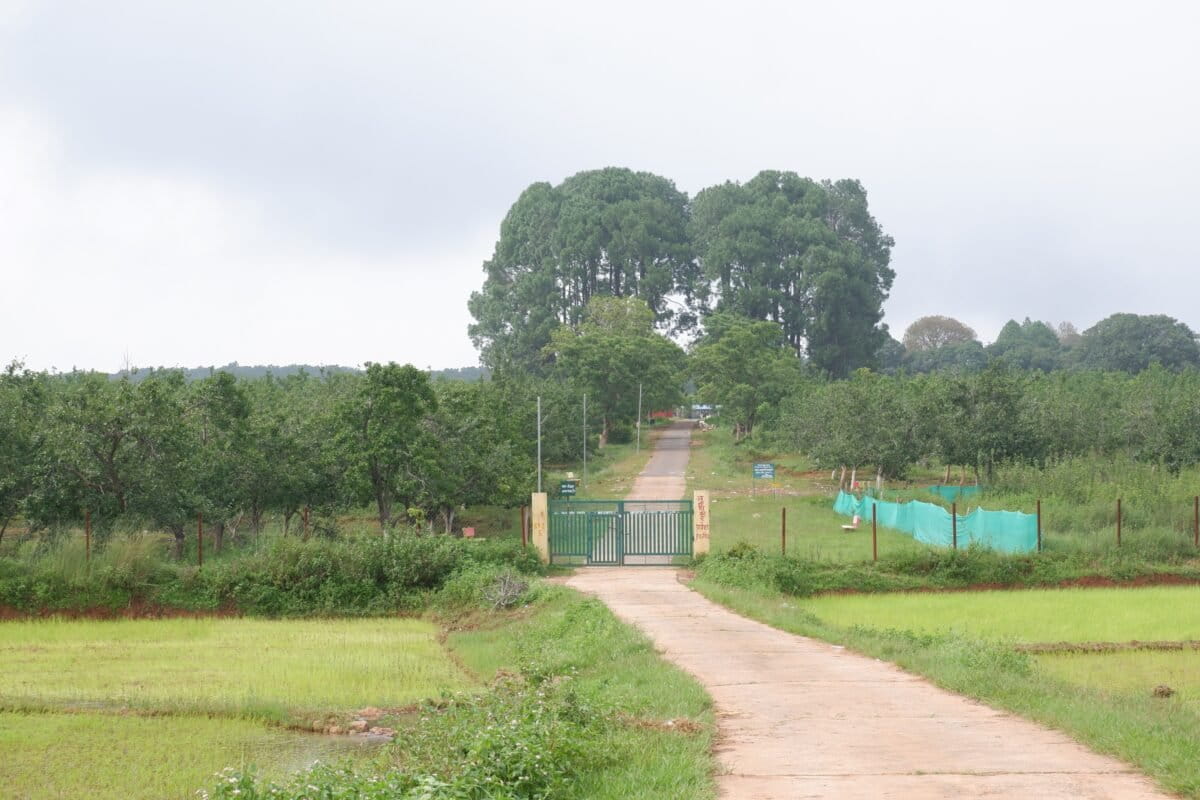
Pear cultivation began under the British in the early 1900s. In the 1960s, when Jharkhand was still part of Bihar, the Bihar government expanded the plantation. “Dankan Farm is a government-owned, Naspati pear farm located in Netarhat. Begun as a 25 ha farm it has now expanded to over 45 ha, mainly Naspati and Nakh varieties of pears, generating over ₹50 lakh in annual government revenue,” says Vivek Mishra, Soil Conservation Officer at the Dankan Naspati Farm, Department of Horticulture.
Over time, pear cultivation became a lifeline for families from native tribal communities, including Particularly Vulnerable Tribal Groups such as the Asur, who once relied on forest produce or daily wage work for a living.
“We have been growing paddy since the beginning, but the profit was never fixed. If the crop failed, our money and effort were gone,” Motsaya Asur, 55, remembers the uncertainty of the earlier years before pear farming. A decade ago, he took a risk and planted pear saplings on one acre. “You have to take care of it for three to four years; after that, it will take care of you,” he says. Compared to paddy or maize, pear orchards offer higher returns, need less labour once matured, and provide steady income. This year, Motsaya sold his harvest for about ₹1.5 lakh (₹150,000).
“The pears of Netarhat are sweeter than elsewhere. That’s why the demand is high,” he adds. His wife, Sila Devi, 40, who manages the orchard with him, compares the care to raising a child. “In the beginning, you must fence it and protect it from cattle. But once it grows, it gives income every year,” she says.
Caring for pear trees is relatively easy, she adds. “There’s no disease, no pests. You can apply lime to the trunk if you want, but even if you don’t, there’s no problem.”
“Netarhat’s cold climate suits pear cultivation,” says Sunil Kumar, a horticulture expert at the Krishi Vigyan Kendra (KVK), Gumla. “Below five to ten degrees Celsius is ideal. Pear farming has started in Ranchi and nearby areas too, but the fruit quality is not as good,” he adds.
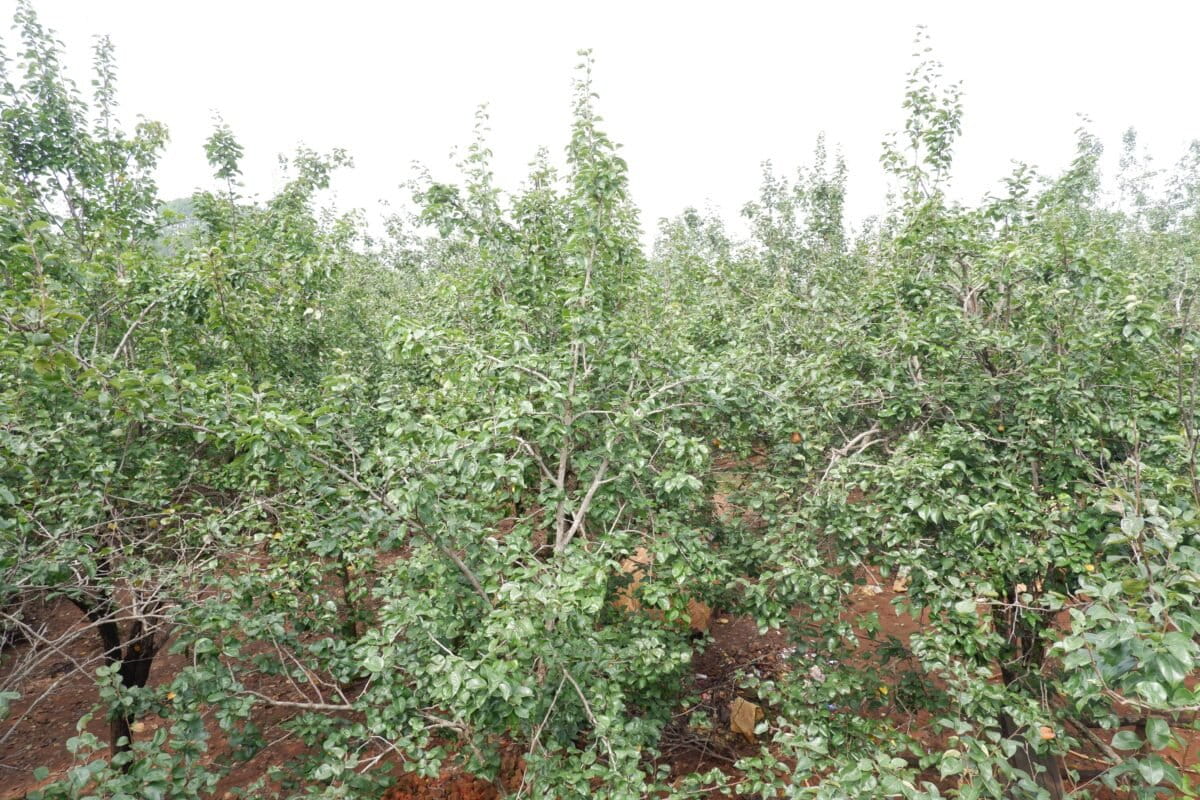
Locally, the preferred variety is Nakh. “Nakh is smaller but sweet and juicy. Naspati variety, on the other hand, is larger in size,” he explains. A mature tree aged 9-10 years can produce 40-50 kg of fruit in a good year.
Reverse migration sends signals
According to Agricultural Statistics 2023, Jharkhand grows fruits on over one lakh hectares, producing around 12 lakh metric tonnes annually. However, no official data is available specifically for pear production.
Across India in 2022–23, pears were grown on about 45,000 hectares, yielding nearly 319 lakh metric tonnes, but state-wise production data is not clear. “Pear cultivation here is so limited and localised that it doesn’t show up in official data; it happens only in Netarhat,” says Sunil Kumar, horticulture expert at Krishi Vigyan Kendra.
“Dankan produces about 2,500–3,000 quintals annually, though this year the output was a little lower,” says Sanjay Ram, farm manager of Dankan Orchard, Department of Horticulture. “The government is expanding this orchard. Two years ago, 1,000 new saplings were planted, but they have not started fruiting yet.” He adds, “This estimate is not exact, but private orchards outnumber government ones, so private farms likely produce a similar amount in Netarhat.”
The good times have begun to reflect in incomes and jobs. Sanjeev Kisan, 39, tends to 211 trees on a hectare (2.5 acres) and earns about ₹3 lakh annually. “Pear farming gives fixed income and needs less work,” he says.
“Alongside farm development, the entire rural economy has uplifted. Many locals who once migrated now grow pears here. We also prepare a pear nursery with demand from far away. Seeing the government orchard, neighbours have adopted it too; private cultivation likely exceeds government scale,” says Mishra.
These steady returns are reversing migration. Young men who once left for cities now find work at home.
Mantu Kisan, 30, used to work as a daily wage labourer and migrate to cities like Delhi and Chennai. But then he saw fellow villagers choosing to farm at home. “We thought, now we will plant pears too, because there is money in it,” he says. Two years ago, he planted Naspati pears. Now, Mantu is building a small house on his 1.5-acre farm, hopeful about the future. “From the next season, the trees should start bearing some fruit,” he adds.
Sanjeev, who is also part of the Netarhat Phal-Sabzi Dankan Sahakari Samiti, an association of local pear growers, says many villagers who were earlier migrating are now returning. “At least 150 such farmers are associated with us,” he says. “You will hardly find a household here without a pear orchard. In the pear harvest season, local people get fixed work for about two months,” Sanjeev explains.
On Dankan farm alone, about 450 to 500 people work daily during the harvest season. Sanjeev, however, warns that the good situation may not last. “The government must create systems so farmers get more money directly in their hands,” he urges.
Auctions not profitable
The primary mode of sale, especially for private pear growers, is through auctions. Sales from government orchards happen via tenders. While the system moves large volumes and generates lakhs in total revenue, farmers say the price discovery is unfair. “We sold six pick-up loads and got ₹1.5 lakh. But if we sold the same in the open market, one trolley could fetch ₹1–1.5 lakh,” says Motsaya.
“The farmers do not get what they should. The middlemen earn from them (the deals),” adds Sanjeev. Mantu says auctions are not profitable. “We won’t sell at auctions. Whatever we produce, we will sell ourselves. Even if I go to the market with a small cart of pears, I can earn more than through auctions,” he says confidently. But it is not just auctions — poor infrastructure also forces farmers to sell at low farm-gate prices.
Pears are perishable. Once packed, they must be sold quickly. Without cold storage, farmers are compelled to accept lower prices to avoid spoilage. “If storage was available, farmers could keep their produce for some days and sell in other markets,” says Sanjeev.
“We have requested our local MLA, the District Magistrate, and even the agriculture minister many times to set up cold storage here. But nothing has happened so far, apart from assurances,” he says.
“There is no specific government scheme for pear cultivation. It used to be covered under the National Horticulture Mission (NHM), but pears are not included now because they grow only in regions with suitable temperatures. However, we create awareness among farmers about pear cultivation through the Krishi Vigyan Kendra,” says Sunil.
“Pears contain 80-90% water, which makes them good for diabetic patients. They can also be used to make jam. So, we are spreading awareness, and some farmers have already started growing them,” he adds.
Changing weather is now a concern. “In recent years, we have seen a sharp rise in hailstorms,” says Sanjeev. “Last year, hailstorms caused heavy damage. Fruits dropped early or got damaged and started rotting.” Jharkhand is among the top states most vulnerable to climate change, according to the report Climate Vulnerability Assessment for Adaptation Planning in India Using a Common Framework.
This season, fruiting has remained low across many orchards. Heavy rainfall shifted the ripening window. “Fruits usually ripen in late July, but this time they were ready almost a month early,” he says. The result: smaller yields and smaller fruit size. “Trees that earlier produced 40-50 kg are now giving only 10-15 kg.”
In several villages, including parts of Dankan Bagan, fruiting was almost nil this year. Farmers worry they are seeing the initial impacts of a changing climate, with projections of rising temperatures, heatwaves, and more frequent droughts compounding their concerns.