Will Gaza Jeopardise India’s Energy Resilience?
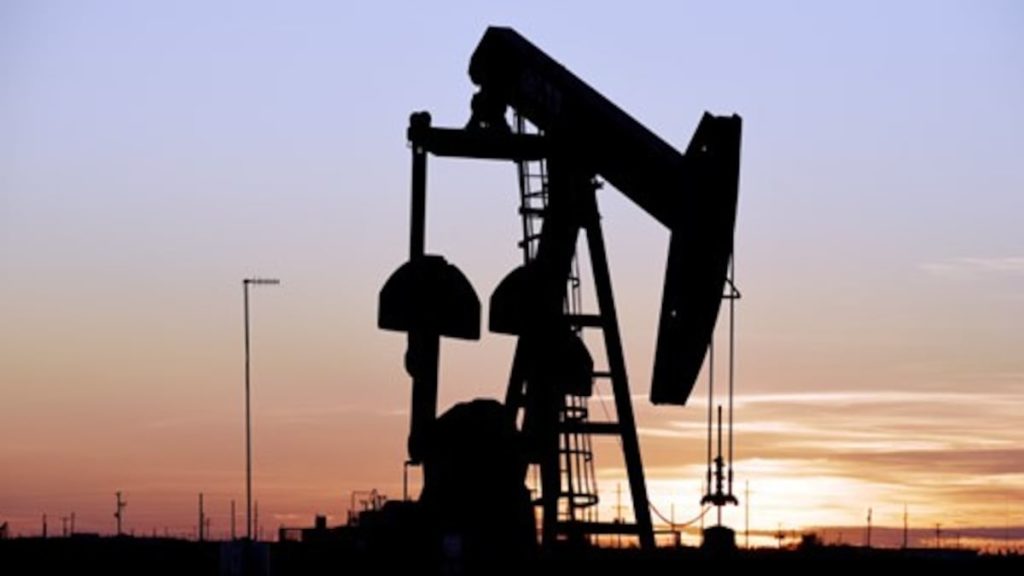
Opposition says US treasury secretary’s comment reduces India to a subordinate ally; Modi government remains silent (Representational Image)
India’s renewable energy transition has been commendable, but the nation still relies heavily on fossil fuels.
It is the world’s third largest oil consumer and imports 85 percent of its oil supply, which makes it particularly vulnerable to any market volatility.
Around 60 percent of India’s oil comes from the Middle East, which means any upheaval in that region is a major cause for concern. The Israel-Hamas war in Gaza is just the kind of crisis that could lead to destabilisation in oil production and affect the world oil prices.
India is also a close ally of Israel which could potentially affect Delhi’s trade relationship with Arab nations and therefore jeopardise oil imports, although India’s huge consumer market might shield against any harsh step by the Gulf oil states.
To complicate things, about 70 percent of India’s public sector refineries’ oil import is through term contracts while the rest are spot purchases. This means while supply is ensured, price and other conditions favour the sellers.
However, the duration of any conflict becomes crucial, too. If the war does not continue beyond the duration of India’s term contracts with suppliers, everything should be fine. But if the Gaza conflict drags on like the Russia-Ukraine war, India might need to generate import alternatives, although it would have time on its side.
India’s strategic petroleum reserve has enough crude oil supply for just 9.5 days. Private companies, on the other hand, have a cumulative reserve capacity of 64.5 days.
Many countries have their own strategic reserve plans to secure energy supplies in a crisis.
The US has the world’s largest reported reserve capacity of 727 million barrels which roughly amounts to 60 days of supply. China has 475 million barrels and Japan 324 million barrels.
All members of the international energy agency, which India joined as an associate member in 2017, are required to maintain an emergency oil reserve which can be released to stabilise prices in the event of any oil shocks.
India and Israel’s bilateral trade and economic relationship began in 1992 and is now worth about USD$11 billion. India is Israel’s second largest trade partner in Asia with USD$8.4 billion of exports and USD$2.3 billion of imports in 2022-23. Thus, any long-term conflict could be detrimental to the Israeli economy and therefore India’s balance of payments.
The Abraham peace accords, mediated by the US, and signed by Israel, the United Arab Emirates and Bahrain in September 2020 benefits India, opening doors to many multilateral agreements with other nations.
India and Israel are also part of the I2U2 group, along with the UAE and US. The group focuses on joint investments and cooperation on water, energy, transport, space, health, and food security.
At the G20 meet in New Delhi in September 2023, a memorandum was signed between India, the US, Saudi Arabia, UAE, France, Germany and Italy to develop the India-Middle East-Europe Economic Corridor’ (IMEEC) which would run through Saudi Arabia to Haifa port in Israel and onward to Greece.
The corridor would connect Mumbai and Gujarat port with the UAE through a shipping route and then a rail network connecting UAE, Saudi Arabia, Jordan and Israel. Haifa is strategically very important as it connects to Greece and the rest of Europe.
This proposed network could significantly enhance regional energy security. If energy security is affected by geopolitical issues like war, diversifying energy supply alternatives is a more realistic strategy. The Gaza war puts all such multilateral initiatives under strain.
Decarbonisation has received sufficient focus in Indian policy making, which was revealed by India’s nationally determined contributions, Net Zero announcement at COP 26, formulation and implementation of EV policies, and establishment of the Bureau of Energy Efficiency (BEE) to promote renewable power and energy efficiency.
However, due to the inherent variability in generation of renewable energy, complete reliability on solar, wind and others to meet India’s huge and increasing demand for power seems far-fetched.
Energy transition through focus on renewable energy also faces other challenges in India. The major one is India’s dependency on China for renewable technologies and related important raw materials (such as rare earth materials).
Without indigenous technology development, the transition to renewable energy will merely transfer India’s dependence on oil sourced overseas to a dependence on renewable technologies and raw material from overseas.
In addition, the market for renewable technology and related raw materials is very concentrated which could lead to severe energy security threat in case of geopolitical issues.
However, a focus on green hydrogen and cross border electricity trade (CBET) could address those issues. While green hydrogen technology is still in its infancy, CBET is already taking place with Bangladesh, Bhutan and Nepal. But reaping full potential benefits of CBET requires significant infrastructure development and various other cross-border common regulations.
Given all these challenges, short- or medium-term geopolitical disturbance like Gaza would not be expected to influence the momentum to India’s energy transition but India will definitely follow its own decarbonisation pathway.
(Originally published under Creative Commons by 360info™. Read the original article here)