Why Global Sea Surface Temperatures Are Reaching Record Highs

A sunset on the Arabian Sea. Rising temperatures intensify extreme weather events, with profound consequences for coastal populations from South Asia to East Africa and Australia (Image by Benoit F. via Wikimedia Commons)
- Warming oceans intensify extreme weather events, disrupt marine ecosystems, and alter large-scale ocean circulation.
- Unlike historical fluctuations driven by natural forces, the present rise in sea surface temperatures (SSTs) is occurring at an unprecedented rate and is linked to human activity.
- Improved ocean monitoring, satellite observations, and regional climate models provide information for early warning systems, adaptive fisheries management and long-term climate adaptation planning.
Rising Sea Surface Temperatures (SST) and their seasonal fluctuations have emerged as among the most visible indicators of a warming planet. Yet, while public discourse on global warming tends to focus on rising air temperatures driven by anthropogenic greenhouse gas emissions, the increase in SST and its profound consequences remain underemphasised.
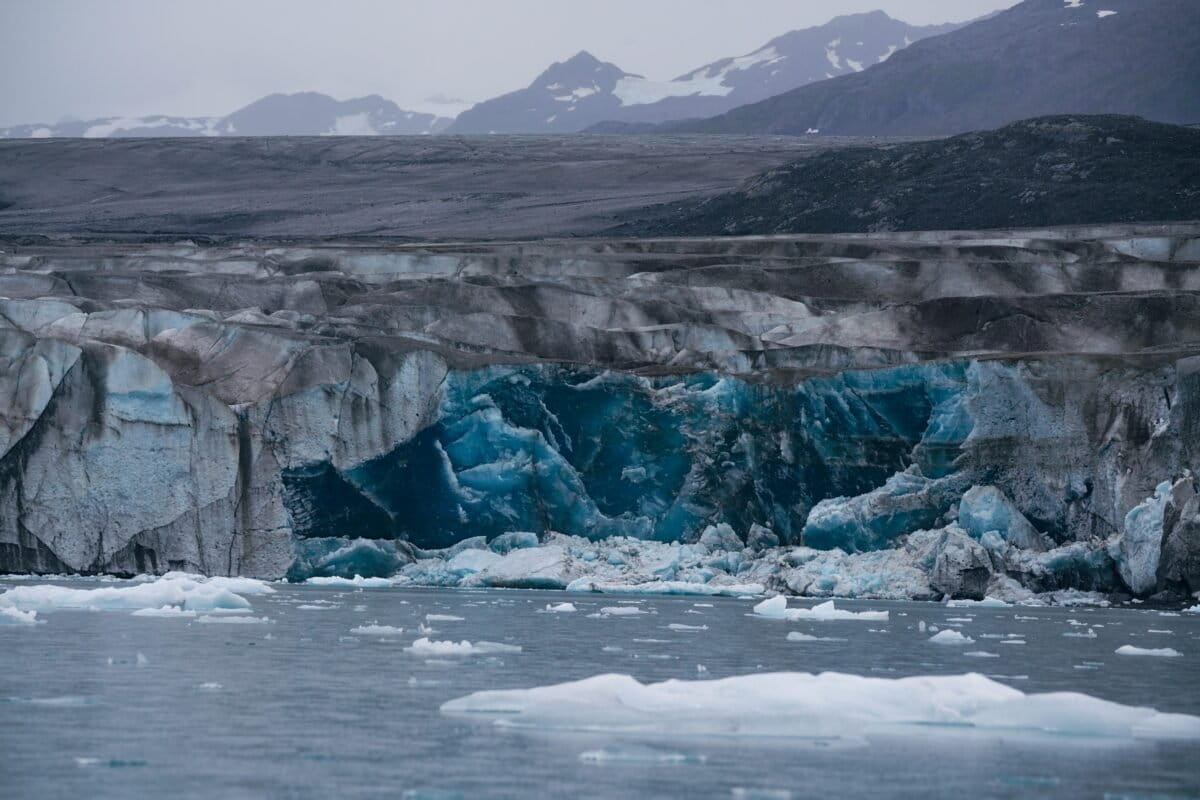
Oceans absorb the vast majority of the excess heat trapped by greenhouse gases. As a result, the upper ocean layers are warming at an unprecedented rate, driving SSTs steadily upward. Recent projections indicate that global SSTs are likely to approach record highs in 2025–2026, as oceans continue to accumulate heat at an accelerated pace — a trend expected to persist.
Notably, even during temporary cooling phases such as La Niña, SST anomalies remain strongly positive. Should a warming El Niño phase emerge later in 2026, temperatures could climb even higher, underscoring the relentless trajectory of oceanic warming.
The world’s oceans absorb nearly 90% of the excess heat trapped by these gases, making this absorption the primary mechanism behind rising SST. The consequences of warming oceans extend far beyond temperature itself, intensifying extreme weather events, disrupting marine ecosystems, and altering large-scale ocean circulation.
Over the past several decades, consistent observational evidence from satellites and ocean buoys has revealed a steady warming trend in the upper ocean. The years 2023 and 2024 have been Earth’s hottest on record, and in 2024, global temperature exceeded 1.5°C above pre-industrial temperatures, although to breach the 1.5°C limit of the Paris Climate Accord, this level would need to be exceeded not for a single year but for an average over 20 years. This warming, however, is not spatially uniform. Regions such as the North Atlantic, the Arctic, and parts of the Indian Ocean are warming significantly faster than the global average. Recent years — particularly 2023 to 2025 — have witnessed record-high SST anomalies, intensified by strong marine heatwaves and El Niño events.
It is also important to note that SSTs have not remained static over geological time. The oceans have never been thermally constant; they have warmed and cooled repeatedly across Earth’s history due to natural processes. During the Cretaceous Period (approximately 145–66 million years ago), for instance, SSTs were considerably warmer than today, driven by elevated volcanic activity, high atmospheric CO₂ concentrations, and an intense greenhouse climate. Conversely, during the Pleistocene Epoch (about 2.6 million to 11,700 years ago), repeated glacial periods cooled global SSTs by an estimated 2–4 °C relative to the present, with expansive ice sheets covering much of the Northern Hemisphere.
This long-term variability, however, must be distinguished from the current warming trajectory. Unlike past fluctuations driven solely by natural forces, the present rise in SST is occurring at an unprecedented rate and is unequivocally linked to human activity. Understanding both the historical context and the contemporary acceleration is essential for grasping the full significance of what the oceans are telling us about the state of the planet.
A critical consequence of rising Sea Surface Temperatures (SST) is the strengthening of ocean stratification — a process with far-reaching implications for coastal communities, marine ecosystems, and the very reliability of climate models themselves.
What is ocean stratification?
Under normal conditions, wind and waves churn the ocean surface, disrupting the natural tendency of water to form stable layers. However, when this mixing fails, the warm surface layer stabilises, and heat becomes trapped. This inability to churn the water is the principal driver of sustained stratification and the intensification of marine heatwaves.
The effects are not limited to the open ocean. Stratification amplifies several coastal processes, often triggering unexpected flooding that defies prediction. Moreover, the problem extends beyond local conditions. The regional and local effects of SST and their influence on ocean stratification are so complex and interactive that they resist incorporation into the numerical computations of climate models, introducing significant uncertainties into projections.
The vertical structure of the ocean
To understand stratification, one must first understand the ocean’s vertical structure. The uppermost layer, typically 50–200 metres thick, is where wind and waves directly interact with the water. Below this lies the thermocline.
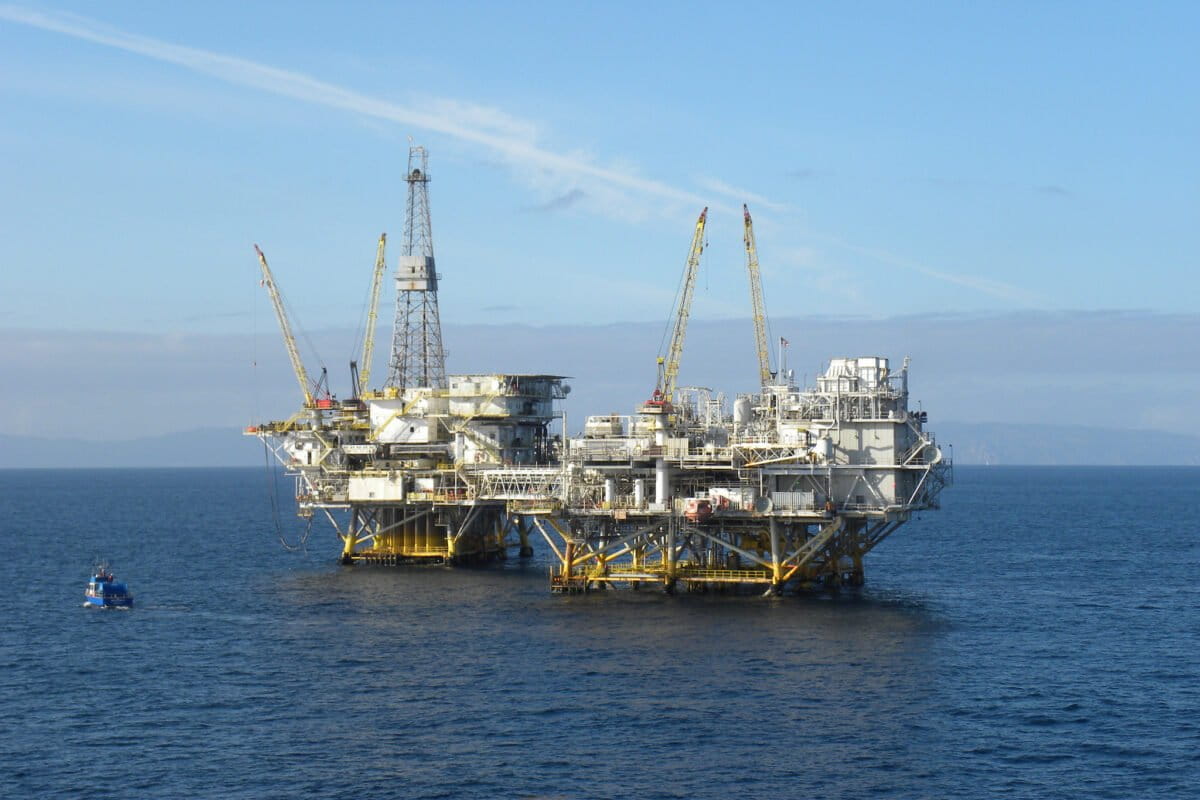
According to NOAA, the thermocline is a distinct, relatively thin layer separating warmer, mixed surface water from the cold, deep ocean. Typically found between 200 and 1,000 metres, it is characterised by a rapid, sharp decrease in temperature with depth — often from surface levels exceeding 20°C to deep waters between 2°C and –4°C. The thermocline is not merely a thermal barrier; it acts as a density barrier, separating warm, less-dense water from cold, dense water and thereby preventing vertical mixing. This layer is permanent in the tropics, seasonal in temperate regions (strongest in summer), and often absent in polar regions.
Ocean water naturally organises itself into layers based on two primary properties: temperature and salinity. Warm water is lighter than cold water; fresh water is lighter than saline water. These differences create a stable, layered structure that resists mixing — a process known as stratification.
Stratification can occur through multiple, interconnected processes: temperature change, salinity change and ocean circulation. Temperature change is when solar radiation warms the surface ocean, creating a warm, buoyant layer that sits above colder, denser deeper waters. Factors altering salinity include evaporation, precipitation, river discharge, and ice melt. For instance, heavy rainfall or glacier melt introduces freshwater at the surface, strengthening stratification. A recent study in Nature Climate Change provides striking new evidence of this effect. The study shows that the southern Indian Ocean, off the southwest coast of Australia — one of the saltiest regions on Earth — is becoming less salty. This freshening, driven by shifts in surface wind patterns, further strengthens stratification, suppressing the vertical mixing that redistributes nutrients and heat; and large-scale ocean circulation patterns also help redistribute dense water masses across the globe, influencing stratification patterns at a planetary scale.
Earth’s oceans have always been stratified. The question, in an era of profound human influence, is not whether stratification exists, but how anthropogenic activities are intensifying it — by warming Sea Surface Temperatures (SST) and strengthening the very layers that govern oceanic mixing, and adding a layer of complexity to an already changing climate system.
Thermal and saline control
Today, ocean stratification is governed primarily by temperature and salinity gradients. Unlike the chemically dominated oceans of the Archean, modern stratification is a function of density differences: warm water is lighter than cold water, and fresh water is lighter than saline water. These gradients create stable layers that resist vertical mixing.
These natural processes are now being profoundly altered by human activity. Atmospheric greenhouse gases — from fossil fuel combustion, deforestation, and industrial processes — intensify global warming. The oceans absorb the vast majority of this excess heat. As surface waters warm, the density contrast between the buoyant upper layer and the cooler, denser deep waters increases. The result is a strengthening of stratification and a suppression of the vertical mixing that once redistributed heat, nutrients, and oxygen throughout the water column.
Warmer surface waters, driven by rising SST, tend to reinforce oceanic layering. This has cascading consequences. Reduced vertical mixing limits the supply of oxygen to the deep ocean, leading to deoxygenation — the expansion of oxygen-minimum zones that are hostile to most marine life. It also traps heat in the surface layer, intensifying marine heatwaves and disrupting nutrient cycles that sustain fisheries.
Thus, while natural processes have always shaped the structure of the ocean, modern human activities are now accelerating warming and strengthening stratification at an unprecedented pace. The implications extend far beyond temperature: they reach into the very circulation patterns of the ocean, the availability of oxygen, and the health of the marine ecosystems upon which billions of people depend.
The Indian Ocean
The Indian Ocean is among the warmest of the world’s oceans, and it plays a critical role in regulating one of the planet’s most consequential climate systems: the Asian monsoon. During summer, the central-eastern Indian Ocean develops a warm pool, with Sea Surface Temperatures (SST) rising to or above 28.0°C — conditions highly conducive to enhanced atmospheric convection. A warming Indian Ocean weakens the traditional land-sea temperature contrast that drives monsoon circulation. This leads to increasingly erratic behaviour: delayed onset, intense cloudbursts, and uneven rainfall distribution.
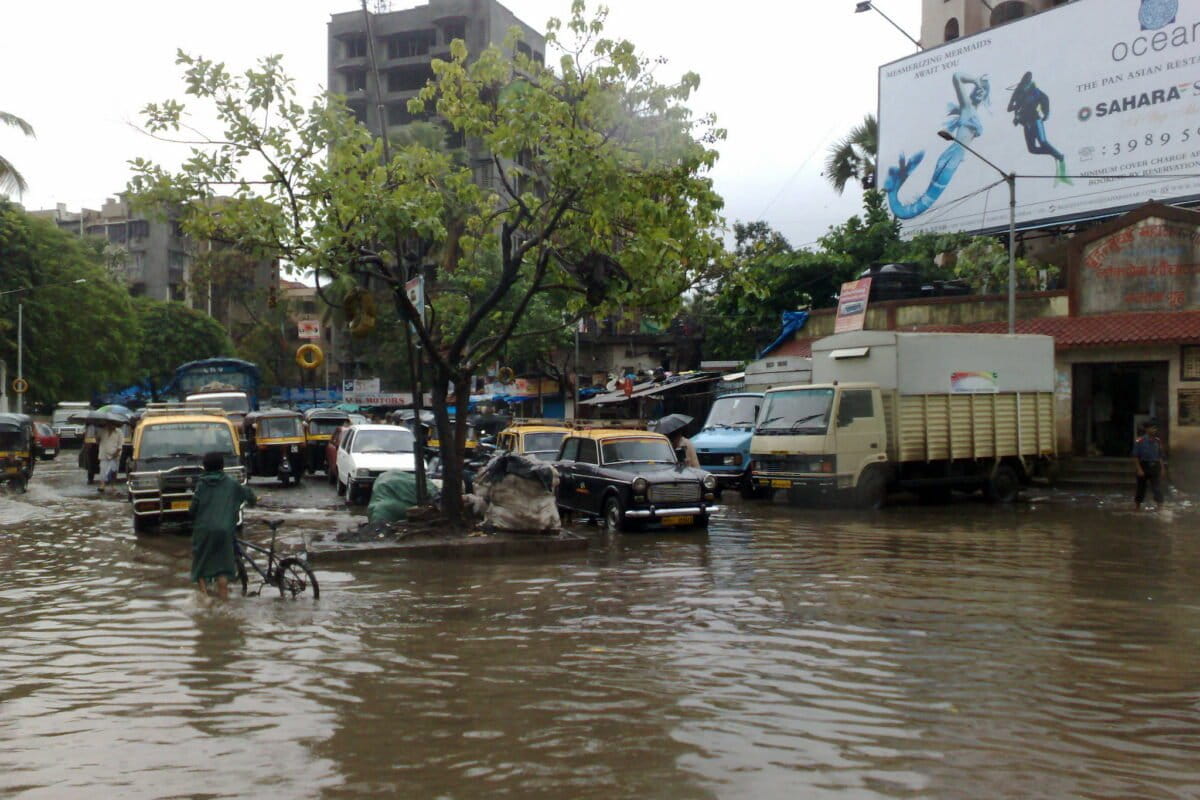
The Arabian Sea, in particular, remains a persistent hotspot for both rising temperatures and the development of marine heatwaves. Seasonal data reveals the scale of the change. During the pre-monsoon period, the northern and northwestern parts of the sea reach between 26.5°C and 29°C, while the western parts climb even higher. These conditions intensify extreme weather events, with profound consequences for coastal populations from South Asia to East Africa, Australia, and island nations such as Sri Lanka.
By early 2026, the region had already recorded above-average SSTs, with forecasts indicating that this anomaly will persist. Compounding this trend, the India Meteorological Department predicts that the Indian Ocean will remain warmer than normal from March to May 2026 — a period coinciding with Pacific La Niña conditions. This combination of a warm Indian Ocean and a cooling Pacific is unusual and carries unpredictable, potentially severe consequences.
The higher ocean temperatures influence moisture transport, creating a dangerous feedback loop. Climate models suggest that Arabian Sea warming may already be contributing to more extreme monsoon variability—periods of intense, destructive rainfall punctuated by longer, crop-withering dry spells. For the densely populated coasts of western India and Pakistan, this carries grave implications for agriculture, water management, and urban flooding.
Another consequence is the frequency and intensity of marine heatwaves. These events are already damaging coral reefs in Lakshadweep and the Maldives, triggering mass bleaching events that weaken and often kill these vital ecosystems. Though the Arabian Sea is not as coral-rich as some regions, its localised reef systems face mounting risk. Commercially vital species such as tuna are shifting their migration routes in response to warming waters, threatening the livelihoods of coastal communities.
With ocean stratification limiting the downward transport of oxygen-rich surface water, it contributes to ocean deoxygenation — the expansion of oxygen-depleted “dead zones” incapable of supporting most marine life. In coastal regions, agricultural runoff and wastewater discharge introduce excess nutrients (nitrogen and phosphorus) into the ocean, triggering massive algae blooms. When these blooms die and decompose, they consume oxygen, accelerating the creation of dead zones. The combination of warming, stratification, and nutrient pollution is turning productive coastal waters into hostile environments for marine life.
Ocean warming also leads to the strengthening of the tropical cyclones in the Arabian Sea. Once relatively rare, powerful storms are becoming more common. Cyclones such as Mekunu (2018), Nisarga (2020), and Tauktae (2021) have demonstrated the sea’s growing capacity to fuel severe weather. Warmer waters provide more latent heat — the energy cyclones need to intensify. As SST climbs, the threshold for rapid intensification is crossed more frequently, giving coastal populations less time to prepare.
Looking ahead
The future trajectory of the Arabian Sea and the Bay of Bengal will be determined largely by global emissions pathways. Continued warming portends a future of more frequent, high-intensity cyclones, accelerating ecosystem disruption, and mounting risks to coastal infrastructure.
Yet this is not solely a story of alarm. Improved ocean monitoring, advanced satellite observations, and regional climate models are equipping scientists with an increasingly clearer picture of the sea’s changing dynamics. This knowledge is the essential foundation for effective early warning systems, adaptive fisheries management, and long-term climate adaptation planning.
This ocean basin, once considered relatively stable, is transforming into something more energetic, more unpredictable, and more powerful, carrying the fingerprints of a changing planet. For the millions who live along its shores, understanding this transformation is not merely an academic exercise; it is a matter of survival.