Tracing The Evolving Landscape Of Green Jobs In ’25
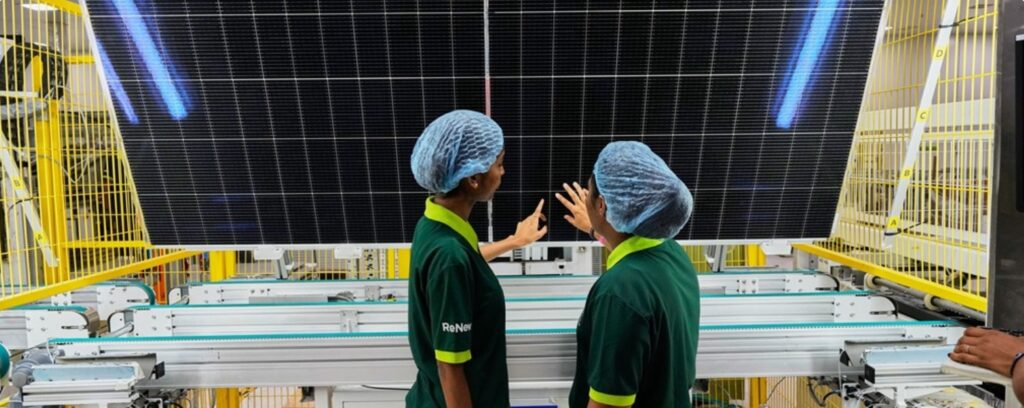
Workers at a solar panel manufacturing plant (AP Photo/Manish Swarup)
Green jobs are not new, but what counts as a green job is evolving. Typically tied to renewable energy or sustainability roles, the term now captures a broad spectrum of roles that contribute to environmental protection, restoration, or adaptation.
According to the International Labour Organization (ILO), green jobs are “decent jobs that contribute to preserve or restore the environment”, whether in established industries such as manufacturing and construction or emerging ones such as renewable energy and energy efficiency.
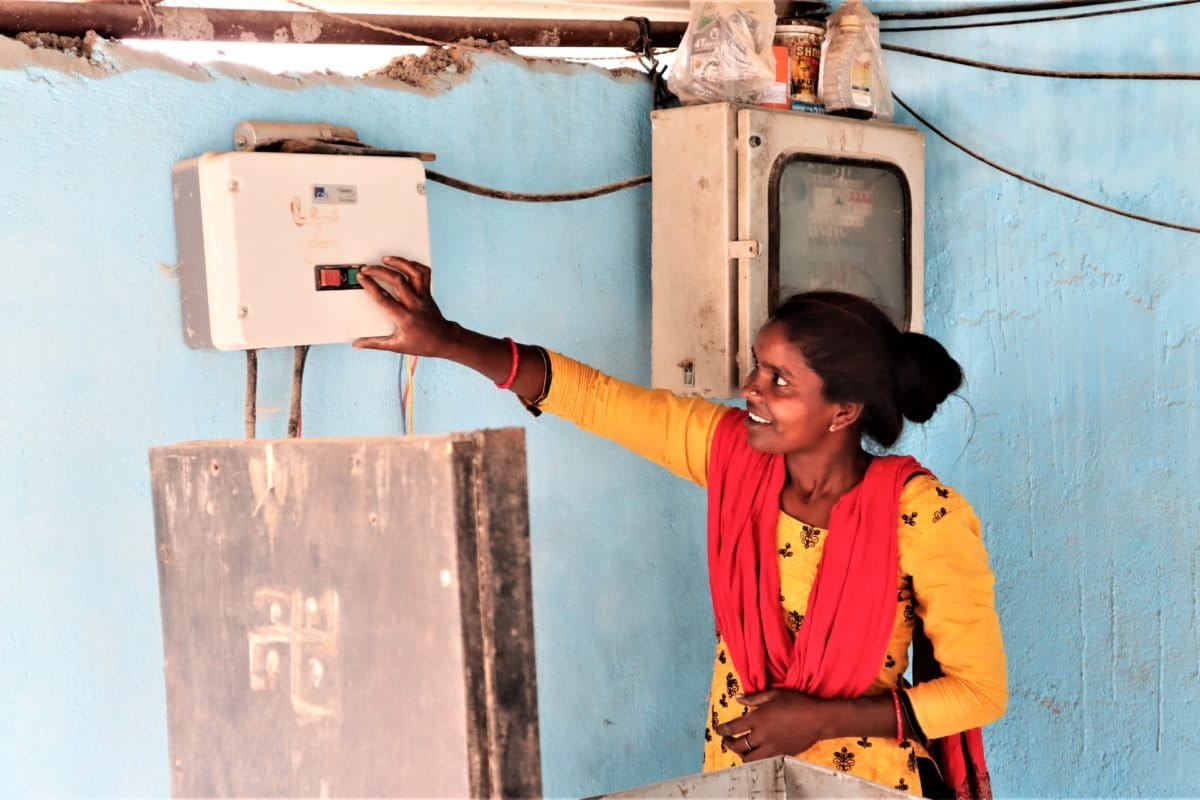
In today’s context, this definition encompasses everything from solar technicians and electric vehicle specialists to environmental engineers and jobs in climate finance, ESG reporting, and nature-based solutions. It also includes roles that may not seem traditionally “green”, such as community environmental workers or disaster management personnel, but are linked to climate resilience.
By 2030, Gen Z (born between 1997 and 2012) will be a third of the workforce. But, fewer than one in five people in the age group have a full understanding of the different career paths for breaking into green jobs, and what a green job can be, says the Global Green Skills Report 2024.
Green jobs now encompass a wide spectrum of roles from high-tech sectors to grassroots work and community engagement, ranging from highly technical to creative roles. With climate mitigation being one of the major trends reshaping businesses in the next five years, demand for relevant roles is likely to go up. Young people entering the workforce are also looking at this sector for financial promise and long-term job security.
‘Green jobs’ are more than a buzzword now; they are part of India’s climate response and future workforce strategy.
Finding green jobs in unexpected locations
In our story on how people are navigating the green labour market, we found that young aspirants are often inspired by climate goals but struggle to find clear pathways into meaningful work. Organisations are still figuring out how to define and advertise new roles, and training programmes have yet to align fully with hiring needs. Yet, there are pockets of support mushrooming to clear the pathways into this sector.
Going further into this series, we picked up certain areas of work that are not traditionally seen as “green” sectors such as renewable energy but are closely linked to disruptions in the environment and climate change. Our piece on an evolving workforce around disaster management showed how disaster response and resilience roles, typically a part of public administration or humanitarian work, are increasingly connected to environmental change and climate risk. These roles stretch from early warning systems and AI-based risk mapping to community counselling and long-term recovery. This story reminded us that green jobs can be both technical and human-centred.
One of the unexpected places where we found green jobs was in the film and entertainment industry. In an industry that is far from being ‘green’, a small community of people are working to scale the sustainability mountain. Former film professionals, engineers, and designers are turning entrepreneurs to mitigate the industry’s growing impact on the climate.
In the article on how reel and real stories create impact, we highlighted how professionals are carving out roles as sustainability consultants, renewable-energy advisors and circular-economy entrepreneurs on film sets. These jobs barely existed a few years ago and may not yet be part of formal hiring pipelines, but people are taking small, determined steps to reduce diesel use, reuse sets, and cut waste, effectively creating opportunities where none previously existed.
Who is being left behind?
In the renewable energy sector, while there’s a lot of talk about new job creation, studies show a gap between the demand for workers, the available supply, and who actually gets the jobs. Awareness about green jobs is also uneven, and many aspirants don’t know what opportunities exist or how to prepare for them.

Gender differences also emerge when talking about what drives someone to a green job – men are more likely to cite the sector’s growth and rising investments as key motivators, finds a report on women in climate careers in India. Women, on the other hand, more often highlight concern for the planet, future generations, health, and personal experiences with climate change.
(Published under Creative Commons from Mongabay India)