The Environmental Price Of India’s New Trade Push
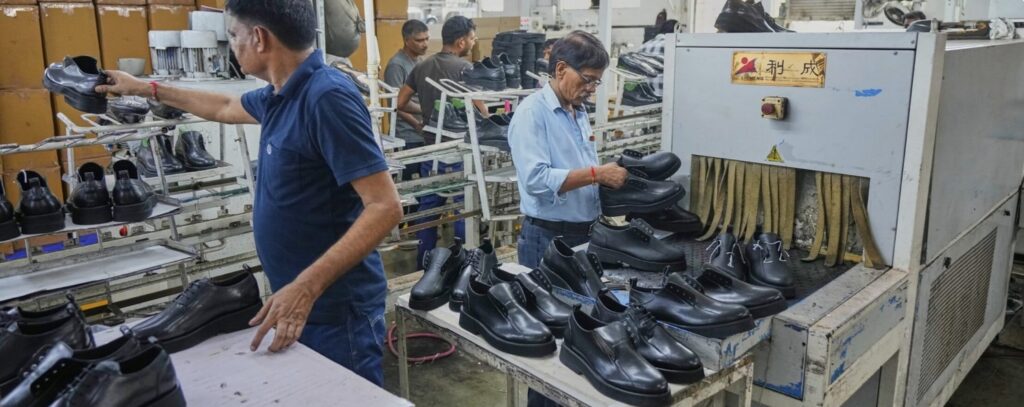
Workers in a manufacturing unit make leather footwear in Agra, Uttar Pradesh (AP Photo/Manish Swarup)
- As India signs trade deals with the US and EU, it is worth noting the environmental consequences. Increased trade drives higher production, and in turn, more pollution and greenhouse gas emissions.
- Trade requires large-scale infrastructure to move goods, leaving a significant environmental footprint.
- The world is back to the hyper-nationalism that preceded the Second World War, and tariffs, food safety standards and carbon tax are controlling the imports into the developed world.
Never has the world been so concerned with discussions on international trade and tariffs as in the past six months. The last time there were such focussed discussions in the media and the public on trade was when the World Trade Organisation (WTO) was agreed upon in April 1994. Even in those heady days, trade negotiation news was in the inside pages of newspapers, and not the lead story across all the countries in the world.
In the past decades, national governments engaged in autopilot mode to develop and polish bilateral, multilateral and regional trade agreements, while the citizens went about their lives independent of these diplomatic exercises. All it needed was a capricious leader as the head of the biggest trading nation, and trade continues to hit headlines since months.
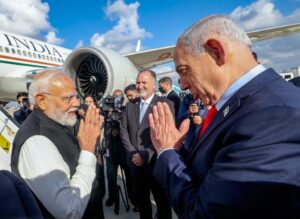
This has been especially so in India, a country which stood to lose heavily due to the penal tariffs applied to goods exported from India to the US. With two back-to-back trade agreements — with the European Union and with the United States of America — the attention to trade news has almost been all pervading in the country. With the US Supreme Court recently striking down reciprocal tariffs imposed by President Donald Trump, another round of turmoil and confusion has been unleashed.
Historically, trade negotiations were meant to happen in the background without impinging the day-to-day lives of people. That was considered as one of the keys to world peace.
The idea of developing a multilateral framework for trade started after the end of the Second World War, with the General Agreement on Tariffs and Trade (GATT) in 1947. There was a belief, then, that unfair and iniquitous trade conditions imposed after the First World War led to the second one. The idea was to get a multilateral trading agreement in place, which along with reconstruction and improved food production would lead to world peace.
Thus, the GATT negotiation process was launched in 1947, along with the launch of the United Nations, the World Bank and the International Monetary Fund. Even though the WTO came into being only in 1995, the GATT framework guided trade on the principles of tariff reduction and trade liberalisation; non-discrimination among trading countries through the ‘most favoured nation’ concept; preferential treatment for developing countries; and dispute settlement through an established mechanism.
It is this framework that kept global trade chugging along without making headlines. That is, till the biggest trading nation upset the applecart with unilateral penal tariffs for imports into the US. With ever-changing tariffs in the US, the rules-based WTO framework seems almost dead.
What emerged from the India-US agreement was first the removal of the penal tariff that the US had imposed on imports from India. This was a major relief for labour-intensive and export-driven sectors such as leather products, and textiles and garments. There was liberalisation for agricultural imports from the US and aircraft, while India got leeway for exports of automobile components. There was commitment for preferential treatment among the two countries and also an understanding to remove non-tariff trade barriers.
The trade agreement with the European Union was negotiated less under pressure, and gives India reduced-tariff access of its goods and services to the European market. While this also includes agricultural produce and products from India, the Indian government announcement says that it has protected the interest of Indian farmers and the dairy sector.
Trade is linked to the environment
Politically, the issue of agricultural imports adversely affecting the livelihoods of the Indian farmers is the most volatile one, and the controversies and protests are already raising a storm. But trade also has environmental consequences. Increased trade means increased production of goods and services, which in turn means increased pollution and greenhouse gas emissions.
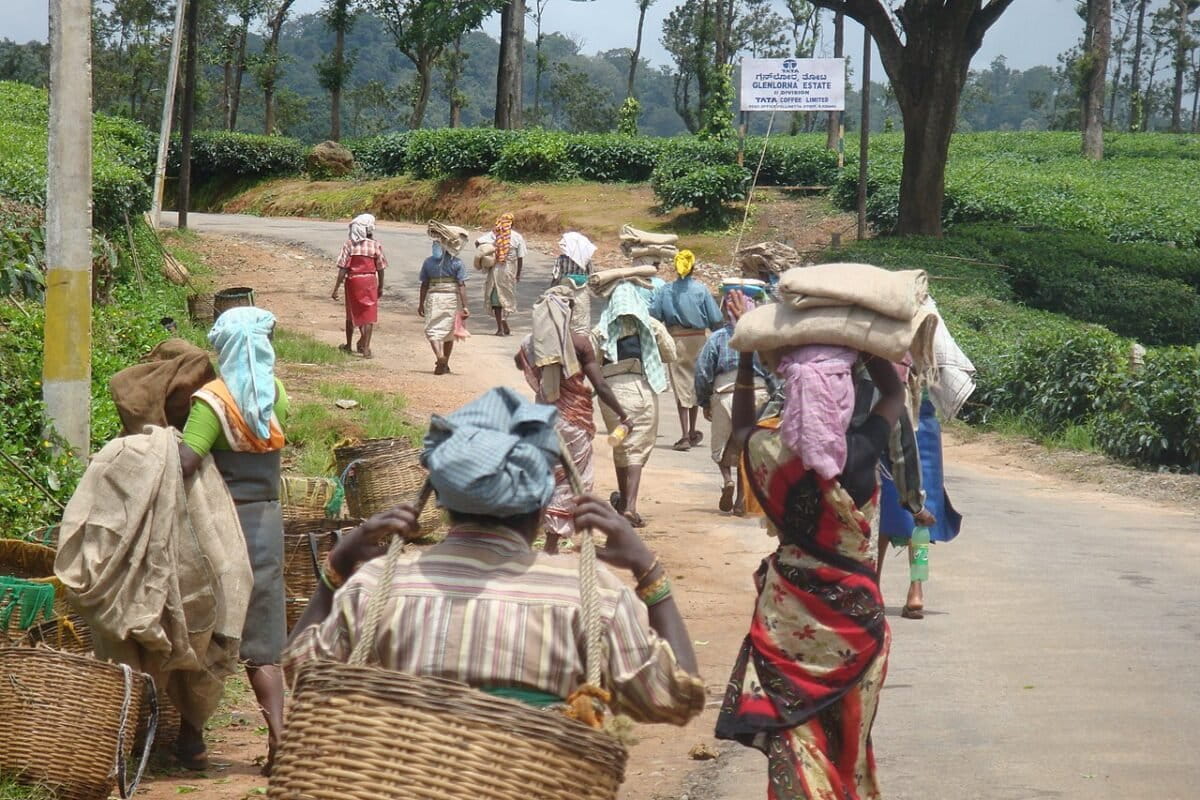
Stress on increased agricultural production for exports often leads to monocropping, at the cost of the native habitat. The classic example of export-led agricultural production destroying the natural habitat is of countries such as Indonesia and Malaysia deforesting tropical forests to turn them into oil palm plantations. Though at a lesser scale, this conversion has also begun in India, with Mizoram, Telangana and Kerala leading the pack. In the coffee-growing district of Kodagu in Karnataka, under pressure to increase production, planters are moving from the practise of growing Arabica coffee under the shade of the rainforest to causing the death of the old-growth trees to grow higher-yielding Robusta coffee in the open.
The earliest manifestation of this trend was the mushrooming of industrial shrimp aquaculture units along the east coast of the country in the 1990s, to grow and export shrimps to cater to the insatiable global demand. Brackish water was brought into the newly-dug aquaculture ponds, leading to salinisation of the coastal aquifer. This boom slowed after the Supreme Court ordered, in December 1996, that the operation and establishment of industrial aquaculture units within the coastal regulation zone be stopped.
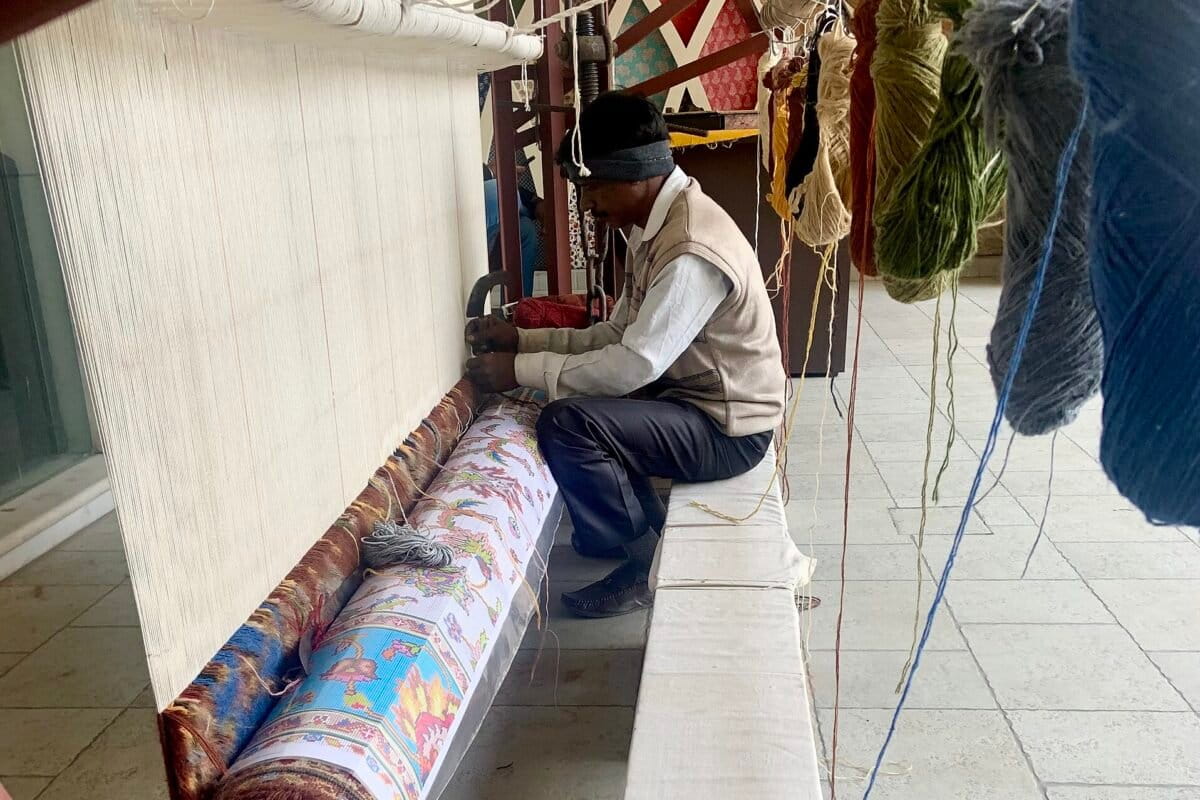
With multiple developing countries competing for a finite export market, there is a push for offering the best price for the importers. This means cutting costs, and pollution abatement in export-oriented industrial clusters usually gets short shrift. India already has problems with pollution due to textile, leather and electronic wastes. Tiruppur, Ambur, Ludhiana and Kanpur are early examples of such polluting centres.
Trade needs infrastructure to move produce and products out and into the country. Since these structures are usually designed into the future, they are mega in scale and leave a large environmental footprint. For instance, the port complex being designed in the ecologically fragile Great Nicobar island includes an international container transhipment terminal, an airport for civil and military use, a township and a power plant. All this will replace tropical evergreen forests on the island that is a biodiversity hotspot and also displace members of the Shompen indigenous community. Similarly, the Vizhinjam international seaport has already started showing adverse impact on the nearby reefs and in turn is affecting fish catch.
Without adequate tariffs to regulate imports, some goods can be dumped on to recipient countries, carrying their own pollution risk. Like many other developing countries, India was under pressure in the late 1990s to open import of reconditioned automobiles from developed countries. India had imposed quantitative restrictions for imports for a list of agricultural produce and industrial products, and used cars was in this list. The US took India to the dispute settlement mechanism of the WTO, and since the decision went against India it disbanded quantitative restrictions.
Suddenly, there was the danger of used foreign cars flooding the Indian market, creating a diffused and widespread source of uncontrollable vehicular pollution. Fortunately, by then the Indian car manufacturers had worked with the national government to prevent this, and the country could prevent this through a combination of tax and quality safeguards.
A changing climate adds an additional layer of complexity to all the environmental issues. If the massive sea walls constructed for the new ports themselves disturb the annual erosion and accretion cycles of the local coast (a sea wall disturbs the equilibrium by depositing more sand on one side and eroding the other), a rising sea level adds a new dimension to tidal amplitudes during tidal surges.
The increased saline water inflow on to the coast by the tidal surges will add to the salinisation already happening due to brackish water collected in aquaculture ponds. Not just ports, but even airports and industrial clusters leave their footprint.
The reality is clear, even within the confusion
The panic and confusion brought about by the punitive tariffs for Indian imports into the US was beginning to clear after the two countries agreed on a bilateral deal. However, even before the implications were getting cleared, the US Supreme Court decision changed the situation again, before the signing of the agreement.
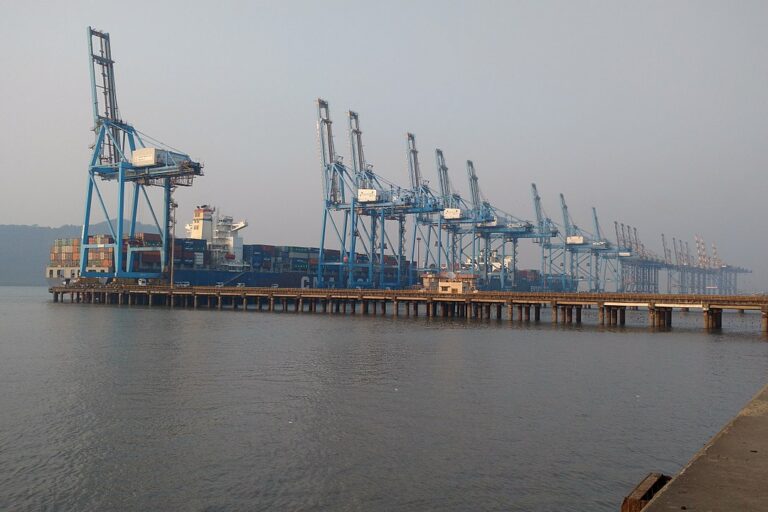
Flash back to the years immediately after the World Trade Organisation (WTO) was established after the agreement of 1994. There were many public discussions in India. The world had walked into a new era of international trade, where a single, umbrella agreement united the countries as trading partners, and there were many components of the deal that were causing concern and confusion. Till then international trade was defined by a plethora of bilateral and regional trading arrangements.
One area that caused confusion, and in turn resulted in much discussions, was the overlap of the new intellectual property agreement with the customary rights that Indian farmers had over the use and exchange of the seeds that they had bred in their farms. The realities of farming in India were different from the farming systems of the developed countries, and hence there was a need to develop something of its own kind using the sui generis option in the Agreement on Trade-Related Aspects of Intellectual Property Rights (TRIPS).
In one of these meetings, eminent agricultural scientist M.S. Swaminathan succinctly observed that even the paper used for writing these agreements were supplied by the developed countries. What he conveyed, that day in the mid-1990s, was the way developing countries like India were hemmed in because of their inadequate economic and trading might.
Many container ships have sailed since the confusing days of the 1990s when experts in India were trying to unravel the nuances of the WTO agreement. India is no longer a weak developing country but an emergent economy with a declared deadline for joining the group of developed countries.
However, even today, it is the importing countries with the large markets that are calling the shots. It was seen in the alacrity with which India approached the US agreement, and was still unable to get concessions from the EU on the non-tariff trade barriers on contentious issues – sanitary and phytosanitary procedures and the Carbon Border Adjustment Mechanism (CBAM).
While the sanitary and phytosanitary provisions make it difficult for many Indian food product exporters to reach the European plates, CBAM adds much complexity to a wider spectrum of Indian exporters. By adding a price for carbon that would have been emitted in India, this reduces the competitiveness of Indian exports to the EU.
After the Second World War, there was a reason that the developed countries wanted the developing ones to strengthen their production and trade. They believed that this would prevent future wars. This strengthened globalisation, where production from polluting industries was moved to developing countries and finished goods and services were cycled back to the developed world. Now the world is back to hyper-nationalism that preceded the second war, and tariffs, food safety standards and carbon tax are controlling the imports into the developed world.
The paper on which these agreements are written continues to be supplied by the developed countries.