‘PM’s Silence On Iran Diminishes India’s Standing In The World’
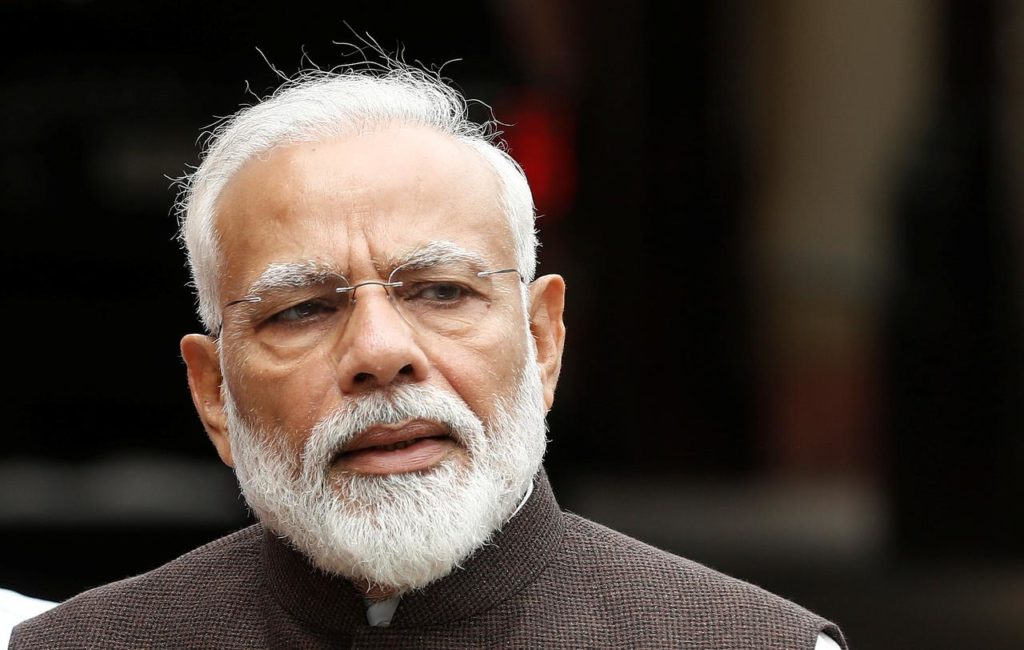
Congress leader Rahul Gandhi has said that PM Modi's silence at a moment of global crisis risks undermining the country’s moral and diplomatic standing
- Congress leader Rahul Gandhi reminds that India’s foreign policy is rooted in sovereignty and demands that PM Modi should clarify whether he supports the assassination of a head of state
Amid escalating hostilities between the United States, Israel and Iran, Leader of the Opposition in the Lok Sabha Rahul Gandhi has called on Prime Minister Narendra Modi to clearly articulate India’s position on the reported assassination of a sitting head of state.
In a statement posted on X on Tuesday, March 3, Gandhi questioned whether India supports “the assassination of a head of state as a way to define the world order.” He argued that New Delhi’s silence at a moment of global crisis risks undermining the country’s moral and diplomatic standing.
“Silence now diminishes India’s standing in the world,” he wrote.
His remarks follow Iran’s confirmation that its Supreme Leader, Ali Khamenei, was killed in targeted strikes allegedly carried out by the United States and Israel. Iranian authorities said the operation took place a day earlier and described it as a direct assault on the highest level of the country’s leadership. The development has sent shockwaves across West Asia and intensified fears of a broader regional war.
Gandhi warned that the rapidly escalating confrontation between Washington, Tel Aviv and Tehran is pushing an already fragile region toward a wider and potentially devastating conflict. “Escalating hostilities between the United States, Israel and Iran are pushing a fragile region toward wider conflict,” he said.
Highlighting the potential human cost, he noted that “crores of people, including nearly a crore Indians, face uncertainty” as tensions spiral. India has significant economic and diaspora interests across West Asia, and any prolonged instability could have far-reaching consequences for energy security, remittances and regional stability.
While acknowledging that nations may cite security concerns, Gandhi emphasised the importance of upholding international norms. “While security concerns are real, attacks that violate sovereignty will only worsen the crisis,” he wrote. “The unilateral attacks on Iran, as well as Iran’s attacks on other Middle Eastern nations, must be condemned.”
He added a broader appeal for de-escalation: “Violence begets violence—dialogue and restraint remain the only path to peace.”
In his statement, Gandhi framed the issue as a test of India’s longstanding foreign policy principles. “India must be morally clear,” he said. “We should have the courage to speak plainly in defence of international law and human lives. Our foreign policy is rooted in sovereignty and the peaceful resolution of disputes—and it must remain consistent.”
The Congress leader’s intervention comes shortly after Congress Parliamentary Party chairperson Sonia Gandhi also criticised the government’s response. In an article addressing the unfolding crisis, she argued that the Modi government’s silence on the targeted killing of Ayatollah Khamenei “is not neutral but an abdication,” and said it raises “serious doubts about the direction and credibility of India’s foreign policy.”
The statements from senior Congress leaders come as global tensions mount following coordinated strikes by the United States and Israel on Iranian targets over the weekend. The attacks were described by Washington as necessary to counter security threats, while Tehran has condemned them as acts of aggression and vowed consequences.
US President Donald Trump, addressing the situation, called on the Iranian public to “seize control of their destiny” and rise against the country’s Islamic leadership, which has ruled since 1979. His remarks have further heightened tensions, with analysts warning that rhetoric combined with direct military action risks triggering unpredictable escalation.
Within India, the debate has centred not only on the geopolitical implications but also on the country’s diplomatic posture. The Congress has sought to portray the moment as one requiring moral clarity and adherence to established principles of sovereignty and non-interference. The government, for its part, has yet to make a detailed public statement outlining its position on the reported assassination.
As the crisis unfolds, Gandhi’s central question remains pointed: should India endorse or oppose the targeted killing of a head of state? For the Congress leader, the answer is clear. “India must be morally clear,” he insisted, urging the government to speak out in defence of international law and to advocate dialogue over force at a time when the region — and the world — stands on edge.