NGT Rules In Favour Of Great Nicobar Island Project, Activists Aghast
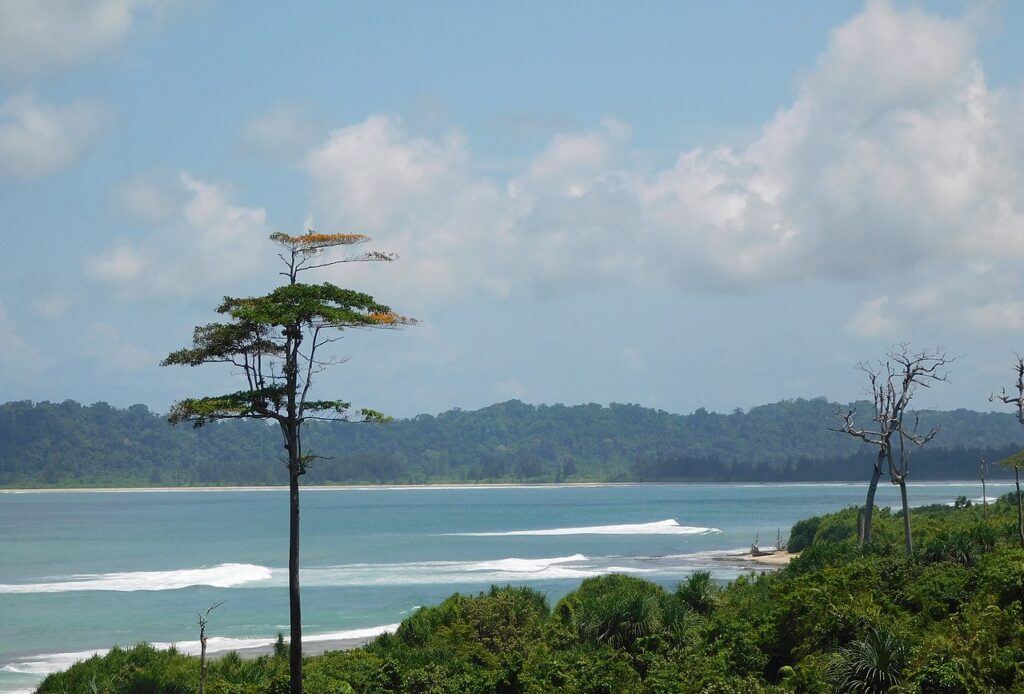
The Great Nicobar Island. Following months of silence, the National Green Tribunal ruled on February 16 that “adequate safeguards have been provided” for the environmental clearance for the ₹81,000 crore Great Nicobar Island project. The order follows a lengthy court battle challenging the project’s compliance with coastal regulations (Image by Rama Narayanan H. via Wikimedia Commons)
- The National Green Tribunal refused to interfere with the 2022 environmental clearance for the Great Nicobar Island project, citing adequate safeguards and its strategic importance, despite alleged gaps in the approval process.
- The Tribunal accepted the findings of a court-appointed committee, which found no flaws in the clearance process even as legal disputes were raised over coastal violations, impact on marine life and insufficient data backing the clearance.
- The ruling comes amid ongoing ecological and tribal rights concerns, including diversion of large tracts of forest and tribal land for the ₹810 billion mega project.
The National Green Tribunal (NGT) has refused to interfere with the environmental clearance for the Great Nicobar Island project, concluding that “adequate safeguards have been provided” for gaps in the clearance process. The order follows a lengthy court battle challenging the project’s compliance with coastal regulations, which prohibit the development of large projects in sensitive coastal areas.

The NGT pronounced its order on February 16, after reserving its judgement for several months. The development of Great Nicobar Island has drawn sharp criticism from environmentalists, sociologists, and members of the Opposition for the destruction it will cause on the island, which is part of the Andaman and Nicobar Islands. The ₹81,000 crore (₹810 billion) project includes building an international container trans-shipment port on a leatherback turtle nesting site, as well as an airport, gas and solar power plant, and township which will lead to the felling of a million trees. The government argues that the project will help India take advantage of trade routes along the Malacca strait, which would “counter the pressure being built by foreign powers’ growing presence.”
In its order, the NGT said that “considering the strategic important of the Project [sic],” it found no “good ground” to interfere with the project’s environmental clearance, which was granted in 2022.
Jairam Ramesh, former environment Minister and a vocal critic of the project, called the outcome “deeply disappointing,” in a post on X. “There is clear evidence that the project will have disastrous ecological impacts. The conditions for its clearance, that the NGT draws reference to, will do little to deal with these long-term consequences.”
Issues raised
A case challenging the project’s environmental clearance was first filed by environmental activist Ashish Kothari in 2022. The NGT, in those proceedings, had cleared the project but noted “certain unanswered deficiencies” in its environmental clearance. In a second round of litigation, Kothari argued that those deficiencies amounted to violations of India’s Island Coastal Regulation Zone (ICRZ) Notification.
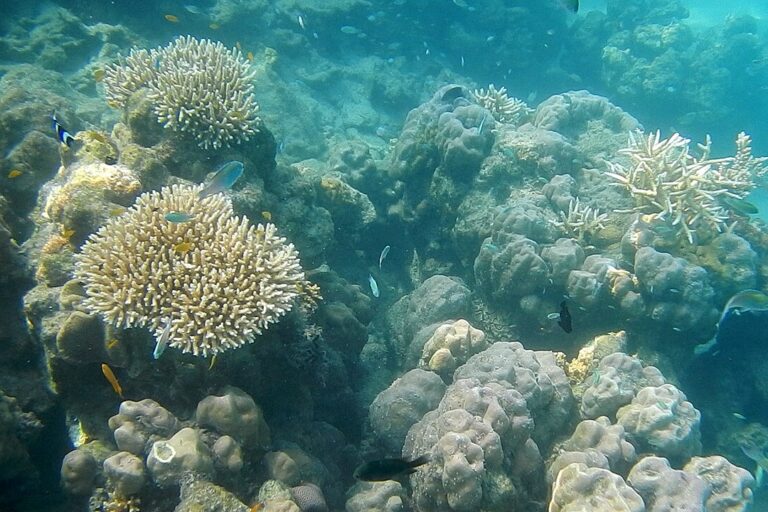
The NGT had ordered a High-Powered Committee (HPC) to be constituted to “revisit” the clearance based on its observed deficiencies. Kothari also objected to the narrow terms of reference to the Committee, which limited its investigations into three issues: an incomplete translocation plan for corals, the use of only one season’s data to support the clearance, and the fact that seven square kilometres of the project fell into CRZ 1A areas, which are zones that prohibit development activity due to the presence of coral reefs, mangroves, and nesting grounds for birds and turtles.
While the HPC’s report was never made public, citing national security reasons, it claimed there were no shortcomings in the EC. The HPC included members from the Ministry of Environment, Forests, and Climate Change, the Niti Aayog, and Ministry of Shipping, all of whom have either expressed support for the project or granted clearances to it.
The HPC accepted the conclusions of a ground truthing exercise by the National Centre for Sustainable Coastal Management, which denied the project fell into CRZ 1A areas, despite CRZ maps drawn up by the Andaman and Nicobar Island administration showing otherwise. The National Marine Turtle Action Plan also marks the area as falling under CRZ 1A, for hosting a well-known leatherback sea turtle nesting site.
The HPC also agreed with the Zoological Survey of India, which said there were no coral reefs in the proposed site for the port, and that the scattered corals found in the area could be “easily” translocated. Multi seasonal data wasn’t required as there was no evidence of coastal erosion on the island, the HPC further said.
The NGT, in its order, accepted all the HPC’s findings, and disagreed that the terms of reference to the HPC were too limiting. “Though Counsel for the applicant has submitted that TOR to the High-Powered Committee should not have been confined to three issues only, he has not pointed out during the course of hearing any other substantial issue which ought to have been examined by the High-Powered Committee. We also do not find any error in the drafting of TOR while referring the three issues to High-Powered Committee,” says the order.
Taking into account the project’s strategic importance, and the issues dealt with by the HPC, the NGT concluded there was no need to interfere with the project’s environmental clearance.
Disputes around land
The Great Nicobar Island project is proposed to come up on 166 sq km of land, of which over 130 sq km is forest land and about 84 sq km is tribal land. Last month, in January, tribal leaders from the Nicobarese tribe said they were being pressured to surrender their ancestral land in support of the project. The leaders also alleged their rights under the Forest Rights Act had not been settled.
Ongoing cases in the Calcutta High Court and Eastern Zone Bench of the NGT challenge the “in principle” forest clearance awarded to the project, as well as claims that rights under the FRA were duly settled. The government has maintained that all due processes had been followed, and consent from tribal leaders obtained, before granting environmental clearance to the project.