PM Modi’s War Rhetoric Exposes Empty Promises On Gulf Crisis
The Modi government's response to the escalating US-Israel-Iran conflict has been a masterclass in denial and deflection. Officials parrot that "strategic reserves" and "diversified imports" insulate India, while the common person struggles to deal with the fallout of the conflict
Congress leader Priyanka Gandhi Vadra’s scathing rebuke of Prime Minister Narendra Modi on Monday laid bare the yawning chasm between the government’s bombastic assurances and the grim realities facing millions of Indians amid the West Asia inferno. As bombs rain down in the Gulf, where over 8 million Indian expatriates toil, Congress’s firebrand leader demanded accountability, slamming Modi’s penchant for politicizing a humanitarian catastrophe.
“Lives are in danger—what is he doing? Where’s the plan to evacuate our people?” she demanded at Parliament House, exposing the Centre’s inertia. Her call for parliamentary debate and consensus was met with Modi’s predictable deflection: accusing opposition of “dangerous” statements that endanger Indians abroad. This isn’t leadership; it’s a desperate bid to weaponize patriotism while families in Kerala and Uttar Pradesh pray for their breadwinners’ safety.
Government’s Hollow Assurances Amid Rising Peril
The Modi government’s response to the escalating US-Israel-Iran conflict has been a masterclass in denial and deflection. Officials parrot that “strategic reserves” and “diversified imports” insulate India, with embassies “working round-the-clock.” Yet, Priyanka Gandhi’s questions cut through the fog: What concrete evacuation protocols exist for the 3.5 million Indians in UAE, Saudi Arabia, and Qatar alone? Where are the contingency ships, dedicated flights, or diplomatic back channels?
The 2020 Wuhan evacuation of 7,000 Indians showcased competence; today’s silence screams incompetence. Over 200 Indians have reportedly fled Kuwait amid missile strikes, but without a centralized command, chaos reigns. Modi’s Kerala speech—boasting “constant touch” with belligerents—feels like bluster when Iranian drones buzz around the Strait of Hormuz, through which 40% of India’s oil flows.
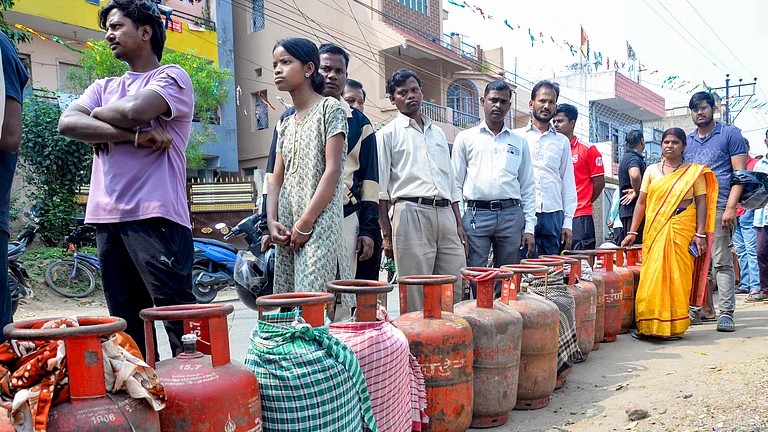
Economic fallout amplifies the farce. Priyanka highlighted skyrocketing LPG prices—up 25% to ₹1,200 per cylinder—forcing households back to firewood amid shortages. Petrol nears ₹110/litre, diesel ₹100, hammering truckers and farmers pre-Kharif. Inflation could spike 2-3%, per economists, yet Finance Minister Nirmala Sitharaman offers no relief beyond vague “monitoring.”
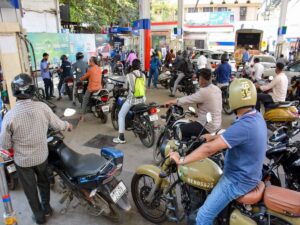
Strategic petroleum reserves cover just 10 days, laughably short of IEA’s 90-day norm. Diversification? Russia supplies 40%, but Gulf dependence lingers at 60%. The government’s Atmanirbhar fantasy crumbles: ethanol blending stagnates at 12%, green hydrogen is a pipe dream, and refinery expansions like in Ratnagiri have been languishing since 2019. Subsidies balloon to ₹40,000 crore, draining treasuries while pump queues in Delhi and Mumbai mock official calm.
Priyanka’s demand for parliamentary debate exposes Modi’s aversion to scrutiny. Why stonewall when lives hang in balance? Recall 2019 Balakot: bravado masked Pulwama lapses. Here, Modi’s “top priority” rhetoric ignores 2023 Sudan evacuations’ lessons—pre-position assets, secure neutrals like Oman. Instead, India hedges awkwardly: abstaining UN votes, courting Iran for Chabahar while arming Israel. Diaspora remittances—$100 billion yearly—teeter as expats face job losses in oil-hit UAE.
Urgent Calls for Accountability and Action
Priyanka’s critique demands immediate reckoning. A special Parliament session isn’t optional—it’s imperative for bipartisan strategy: map evac routes, stockpile fuel, subsidize cylinders, fast-track biofuels. Activate Operation Rahat 2.0: naval task forces, Air India charters, MEA hotlines. Economic firewalls: slash duties on imports, pump ₹10,000 crore into reserves, incentivize EVs with real subsidies. Transparency via daily dashboards—stock levels, import flows—would rebuild trust shattered by queues and black markets (petrol at ₹200/litre in Lucknow).
Modi’s track record—demonetization queues, COVID oxygen shortages—reveals a pattern: overpromise, underdeliver, blame opposition. West Asia’s 1973 oil shock cost India 2% GDP; today’s could double it without action. Priyanka’s unity plea echoes national sentiment: 70% Indians abroad are from BJP strongholds. Politicizing their peril for Kerala votes is cynical.
The Gulf crisis tests Modi’s “Vishwaguru” myth. From Rafale boasts to Adani ports in Sri Lanka, foreign policy favors cronies over citizens. Priyanka’s clarion call—protect lives, not egos—resonates. Without evacuation blueprints, price caps, and debate, Modi’s war posturing risks abandoning millions. India deserves leadership that acts, not postures. Time to drain the denial swamp before the fuel runs dry—and trust with it.