Loni Tops Global Pollution Ranking: A Stark Warning For South Asia
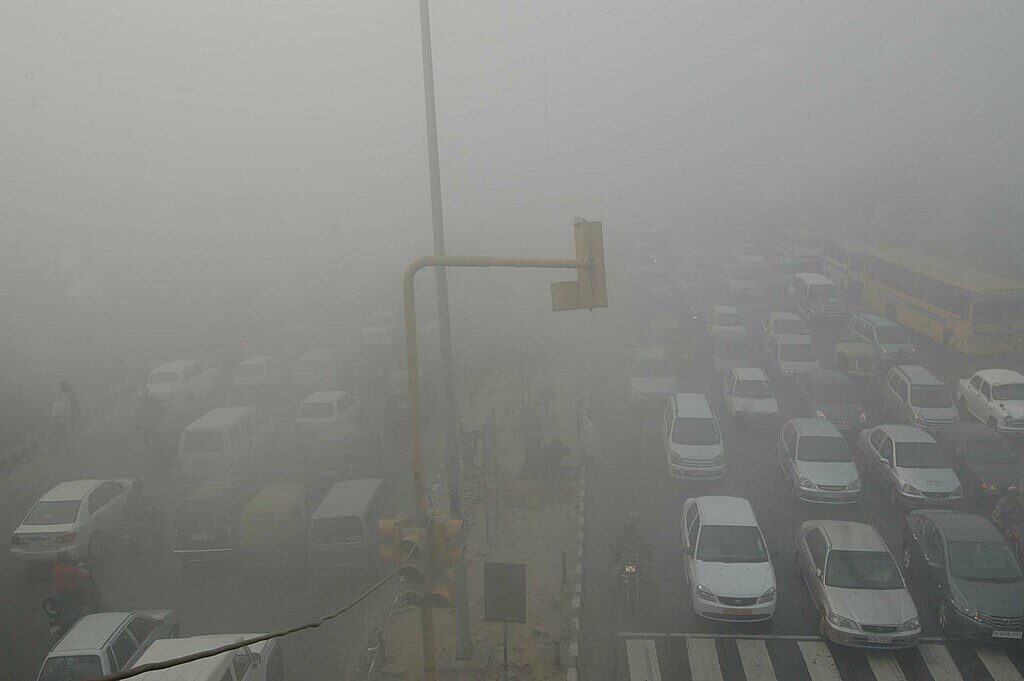
Loni’s emergence as the world’s most polluted city is not just a statistic—it is a warning. It highlights the urgent need for sustained efforts to tackle air pollution at its source (Representative Image)
The latest 2025 World Air Quality Report by IQAir has delivered a sobering message to the world: the battle against air pollution is far from over, and South Asia remains at its epicentre. In a striking revelation, all 25 cities in the global bottom tier for air quality are located in India, Pakistan, or China. Leading this troubling list is not a megacity like Delhi, but Loni, a relatively small town on the outskirts of Ghaziabad in Uttar Pradesh, which has emerged as the most polluted city in the world in 2025.
Loni’s Rise to the Top of a Dangerous List
Loni’s position as the most polluted city globally highlights how air pollution is no longer confined to large metropolitan areas. According to the report, the town recorded an annual average PM2.5 concentration of 112.5 micrograms per cubic metre. This marks a nearly 23% increase from 2024 levels and is more than 22 times higher than the safe limit prescribed by the World Health Organization.
PM2.5 particles are extremely fine pollutants, measuring less than 2.5 micrometres in diameter. Their size allows them to penetrate deep into the lungs and even enter the bloodstream, posing severe health risks. Long-term exposure is associated with respiratory diseases, heart conditions, strokes, and reduced life expectancy.
What makes Loni’s case particularly alarming is its proximity to the National Capital Region. Despite not being as prominent as Delhi in global discussions, towns like Loni are facing equal or even worse pollution levels due to a combination of industrial activity, construction dust, vehicular emissions, and limited environmental regulation. Its rise to the top of this list is a reminder that pollution is spreading beyond major urban centres into smaller, densely populated areas.
A Regional Crisis Concentrated in Three Countries
The fact that all 25 of the world’s most polluted cities are located in India, Pakistan, and China underscores a regional environmental crisis. This concentration reflects shared challenges such as rapid urbanisation, population density, and heavy reliance on fossil fuels.
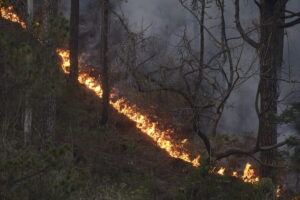
In India, the Indo-Gangetic Plain continues to be one of the most pollution-prone regions in the world. Cities and towns across Uttar Pradesh, Bihar, and neighbouring states frequently record hazardous air quality levels. Industrial emissions, brick kilns, and seasonal crop burning significantly contribute to the pollution burden.
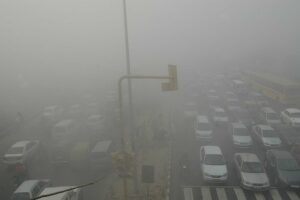
Pakistan faces similar issues, with cities like Lahore often engulfed in thick smog, especially during winter months. Vehicular emissions, industrial output, and agricultural burning combine with weather conditions such as temperature inversions to trap pollutants close to the ground.
China, although it has made notable progress in improving air quality in major cities like Beijing, still struggles with pollution in smaller industrial hubs. Coal-based energy production and manufacturing industries remain key contributors. While policy interventions have reduced pollution in some areas, the persistence of heavily polluting industries keeps several Chinese cities in the global bottom tier.
The regional clustering of these cities also points to shared climatic and geographical factors. Low wind speeds, high population density, and seasonal weather patterns make it difficult for pollutants to disperse. As a result, pollution accumulates over time, leading to consistently poor air quality.
The Urgent Need for Collective Action
The implications of such high pollution levels extend far beyond environmental concerns—they represent a major public health emergency. Millions of people living in these cities are exposed to toxic air daily, increasing the risk of chronic illnesses and premature death. Children, the elderly, and those with pre-existing health conditions are particularly vulnerable.
Economically, the impact is equally severe. Healthcare costs rise, productivity declines, and quality of life deteriorates. For developing nations like India and Pakistan, this creates an additional burden on already strained public health systems.
Addressing this crisis requires urgent and coordinated action at multiple levels. Governments must enforce stricter emission standards, promote cleaner energy alternatives, and invest in sustainable urban infrastructure. Reducing dependence on coal, improving public transportation, and regulating industrial emissions are critical steps.
Public awareness and behavioural changes are also essential. Reducing vehicle usage, adopting cleaner cooking fuels, and discouraging practices like crop burning can collectively make a significant difference. At the same time, regional cooperation between India, Pakistan, and China is crucial, as air pollution does not respect national borders.
Loni’s emergence as the world’s most polluted city is not just a statistic—it is a warning. It highlights the urgent need for sustained efforts to tackle air pollution at its source. Without decisive action, more cities could follow the same path, deepening an already critical environmental and public health crisis.