Law Students Rally Against Proposed Transgender Rights Amendments
The scale of mobilisation and the intensity of opposition suggest that the proposed amendments to the Transgender Persons (Protection of Rights) Amendment Bill, 2026, are likely to face continued scrutiny in the coming weeks
A large coalition of student organisations representing more than 40 groups from over 25 law schools across India has come together to oppose the Transgender Persons (Protection of Rights) Amendment Bill, 2026. In a joint statement released on 20 March, these groups expressed serious concerns about the Bill’s potential to weaken existing legal protections and undermine the rights of transgender individuals.
The statement has been endorsed by prominent student organisations such as the Students’ Federation of India and the All India Students’ Association. It also includes support from student bodies at leading legal institutions, including National Law School of India University, NALSAR University of Law, Jamia Millia Islamia, and Government Law College Mumbai. Collectively, these groups have characterised the proposed amendments as regressive and inconsistent with established constitutional principles.
A central issue raised by critics is the Bill’s approach to gender identity. Student groups argue that the amendments effectively dismantle the principle of self-identification, which was affirmed by the Supreme Court in its landmark judgment recognising transgender rights. This principle allows individuals to determine their own gender identity without external validation, forming a cornerstone of legal recognition and personal dignity.
Under the proposed framework, however, individuals seeking recognition of their gender identity would be required to undergo a formal certification process. This process involves assessment by a medical board and subsequent approval from a district authority. Critics contend that this requirement replaces self-identification with institutional verification, thereby creating barriers that could discourage or delay individuals from securing legal recognition.
In addition to concerns about self-identification, student organisations have also objected to what they describe as a restrictive redefinition of the term “transgender.” According to their joint statement, the proposed amendments appear to emphasise biological criteria and certain socio-cultural categories, potentially narrowing the scope of who qualifies for recognition under the law. This shift, they argue, risks excluding several identities within the transgender spectrum, including trans men, non-binary individuals, and those who identify as genderqueer.
Such exclusions could have significant implications, particularly in terms of access to legal rights, welfare schemes, and protections against discrimination. Student groups warn that limiting the definition of transgender identity may further marginalise already vulnerable communities, undermining the inclusive intent of earlier legislation.
Criticism of Certification Process and Legislative Approach
Another major point of contention is the introduction of mandatory medical scrutiny in the certification process. Under the proposed amendments, individuals would only be issued a certificate of identity after undergoing verification by a medical board. Critics argue that this requirement is invasive and undermines the autonomy and dignity of transgender persons.
Student organisations and activists have expressed concern that such a system could lead to the pathologisation of gender identity, treating it as a condition requiring medical validation rather than a matter of personal identity. They also highlight the potential for misuse, delays, and discrimination within the certification process, particularly in areas where access to informed and sensitive medical professionals may be limited.
Beyond the substance of the Bill, the manner in which it was introduced has also drawn sharp criticism. According to student groups, the legislation was tabled in the Lok Sabha on 13 March without sufficient consultation with key stakeholders. This includes members of the transgender community and institutional bodies such as the National Council for Transgender Persons. Critics argue that the absence of meaningful engagement reflects a lack of inclusivity in the policymaking process.
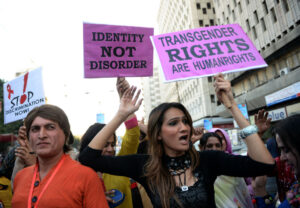
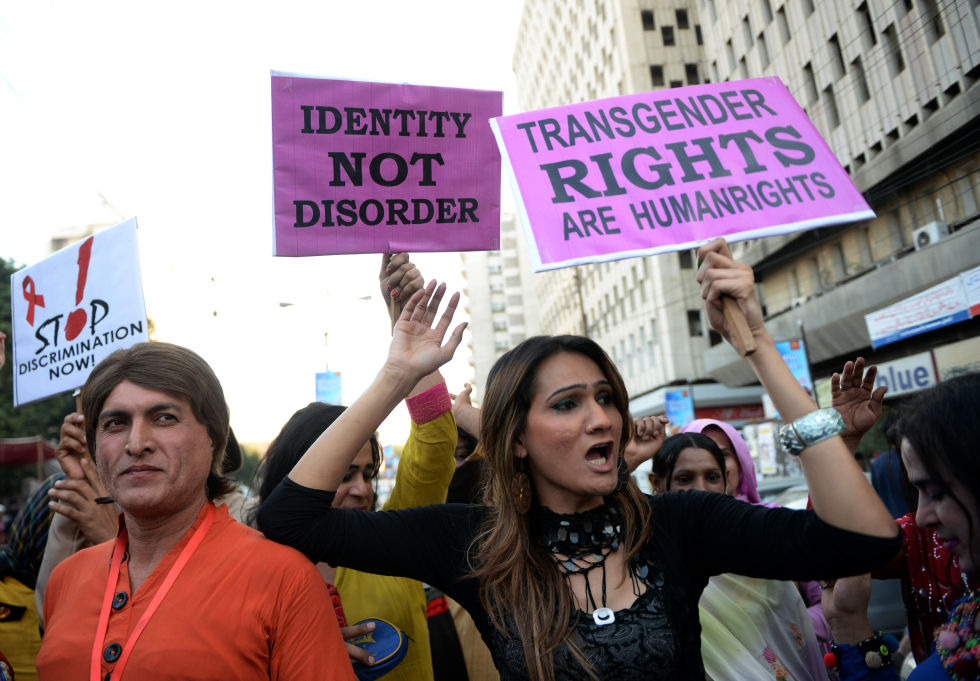
Opposition to the Bill has not been limited to academic circles. Protests and demonstrations have taken place in multiple cities, including Delhi, Pune, Hyderabad, and Kolkata. Participants in these demonstrations have called for the withdrawal of the proposed amendments, arguing that they represent a step backward in the recognition of transgender rights.
In parallel with these protests, student groups have initiated petitions and outreach campaigns aimed at engaging Members of Parliament. Their goal is to build broader political resistance to the Bill and advocate for a more inclusive legislative framework. A key demand emerging from these efforts is the reinstatement of provisions from the 2019 law that affirm the right to self-determined gender identity.
As of now, the government has not provided a detailed response to the concerns raised by student organisations and activists. However, the scale of mobilisation and the intensity of opposition suggest that the proposed amendments are likely to face continued scrutiny in the coming weeks. The debate surrounding the Bill highlights the broader challenge of ensuring that legal reforms not only address administrative considerations but also uphold fundamental rights, dignity, and equality for all individuals.