Unsafe Drinking Water Can Influence Antimicrobial Resistance & What That Means
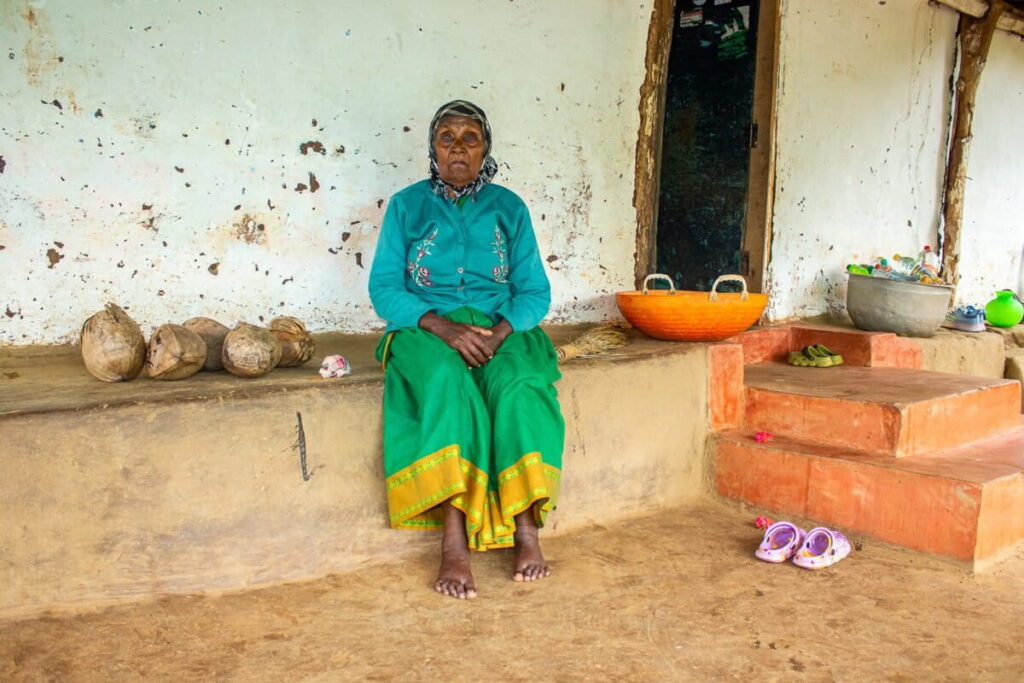
A woman from the Jenu Kurumba tribe. Scientists examining the gut bacteria of three tribal groups, Jenu Kurumba, Kurumba and Irula, found that even in remote populations with limited exposure to antibiotics, environmental factors strongly influence antibiotic resistance (Representative image by MaximusPrasad via Wikimedia Commons)
- New research shows that antibiotic resistance in the human gut can develop not only from antibiotic overuse but also from the environment people live in and their lifestyles.
- Providing clean water sources could be the key to counteracting antimicrobial resistance developed from polluted drinking water.
- The research highlights the relationship among humans, animals, and the environment, collectively referred to as ‘One Health’.
When harmful microbes develop resistance to medicines meant to kill them, antimicrobial resistance develops. But scientists are discovering that even environmental and lifestyle factors, and not just medicine overuse, can contribute to this resistance.
Scientists examining the gut bacteria of three tribal groups in South India have found that even the source of drinking water plays a significant role in shaping the types of antimicrobial resistance the gut bacteria develop. The research group examined tribal groups in the states of Karnataka, Kerala, and Tamil Nadu. The team found that people drinking water from untreated streams had more resistance genes related to metals and multiple chemicals, while those using tubewell water had more antibiotic resistance. The study, published in the journal Total Environment Microbiology, shows that even in remote populations with limited exposure to antibiotics, environmental factors, such as water quality, strongly influence antibiotic resistance.
Environment and lifestyle influence resistance to microbes
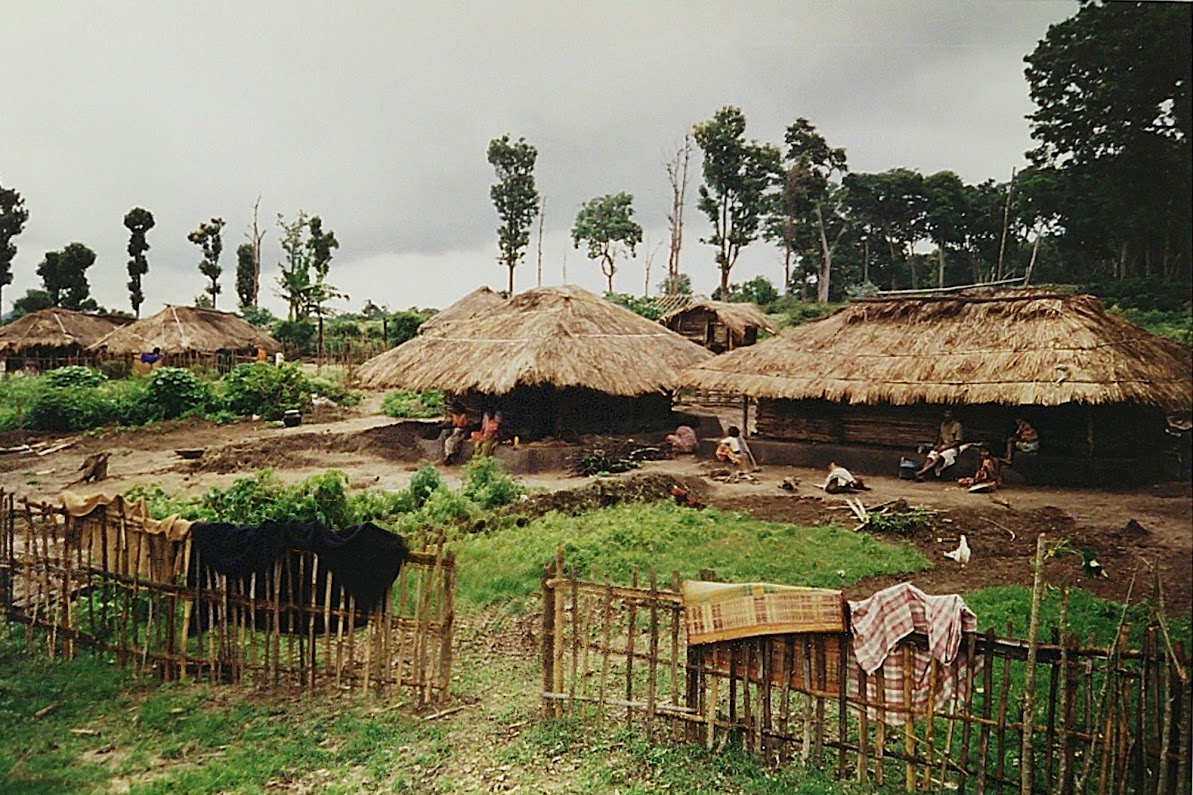
The Jenu Kuruba community of Karnataka, the Kurumba community of Kerala, and the Irula community of Tamil Nadu are more vulnerable than other tribal communities with respect to health. Having pre-agricultural practices, they face economic hardships and are geographically isolated from urban facilities, including healthcare systems. They often rely on untreated rivers and streams for drinking water and other domestic activities. Despite these vulnerabilities, they have minimal exposure to antibiotic medicines and are relatively unaffected by antibiotic resistance.
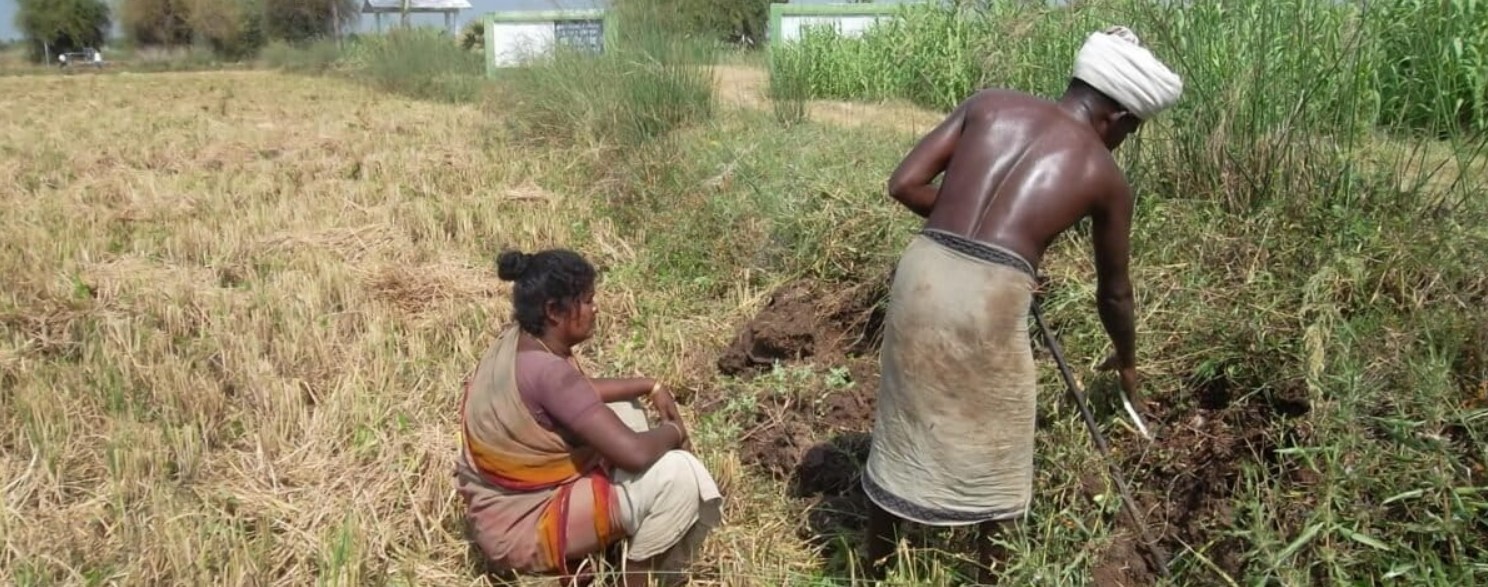
This made their gut bacteria a valuable subject of study as the researchers could figure out the other sources of antimicrobial resistance, in the absence of direct antibiotic exposure. “By studying them, we can better understand how the environment and lifestyle alone may influence resistance, separate from modern medical practices,” wrote Pulamaghatta N. Venugopal, the study’s co-author, a scientist at the Anthropological Survey of India, Mysore, in an email interview with Mongabay-India.
The researchers collected stool samples from healthy male and female participants along with data on their lifestyles such as drinking habits and practices. They also collected information on whether the individuals resided in remote rural areas far from modern infrastructure and processed food or were somewhat exposed to modern infrastructure and lifestyle.
Rather than focusing on a single disease or drug, the group studied gut bacteria that resist various factors. The researchers identified four major types of antimicrobial resistance: due to medications (antibiotics); metals like copper or zinc found in soil and water; chemical compounds found in disinfectants and cleaning agents; and due to multiple compounds harmful to the human body. Then, they measured the prevalence of antimicrobial resistance across the communities.
The balance between these factors helped the researchers determine the challenges the communities faced. “For example, communities that rely on untreated stream water showed higher resistance to metals and chemicals, while those using tube-well water showed more resistance linked to medicines,” said Venugopal. So, the environment emerged as a major factor on the microbes’ resistance.
‘Co-selection’ affects antimicrobial resistance
The key to understanding the study finding is a phenomenon called ‘co-selection.’ Bacteria carry many resistance traits in their genes. When factors such as polluted water, heavy metals, or disinfectants attack bacteria, they activate their defence systems to protect themselves. Defence systems sometimes also protect them from antibiotics, even when antibiotics were not used. This accidental ‘co-selection’ helps bacteria adapt to antibiotics, even in communities where people rarely take medications.
Laasya Samhita, an assistant professor of biology at Ashoka University who was not involved in the study, cautioned against drawing conclusions based on this study alone. While the researchers were careful in studying human populations, the microbial populations themselves can vary across water sources. “Since the waters themselves have not been tested, it is difficult to say how much [resistance] can be attributed to the water and how much to inherent E. coli gut bacteria in humans,” she said.
Another potential complication, she said, arises from chemical and toxic effluent discharges into water sources, which can reduce microbial populations. So, “lower [antimicrobial] resistance may not necessarily mean cleaner water,” said Samhita. Even then, the study is “a great start” towards informing policies aimed at curbing antimicrobial resistance, she said.
Since the researchers did not study drinking water, soil, food, rivers, livestock, or agricultural runoffs, future studies should examine the direct link between drinking water source and antibiotic resistance. The researchers plan to include these factors in their future studies.
Venugopal argued that their study highlights the idea of ‘One Health,’ which refers to a holistic understanding of human, animal, and environmental health. While humans are exposed to bacteria through drinking water, the environment harbours antimicrobial resistance, and bacteria themselves move among water, soil, animals, and humans.
“Antibiotic resistance is not just a hospital problem,” said Venugopal. “It is also a water problem, an environmental problem, and ultimately a public health problem. Addressing it requires clean water, environmental protection, responsible medicine use, and public health planning — all working together.”