Depiction Of Women On Social Media Is Rooted In Misogyny & Sexual Abuse
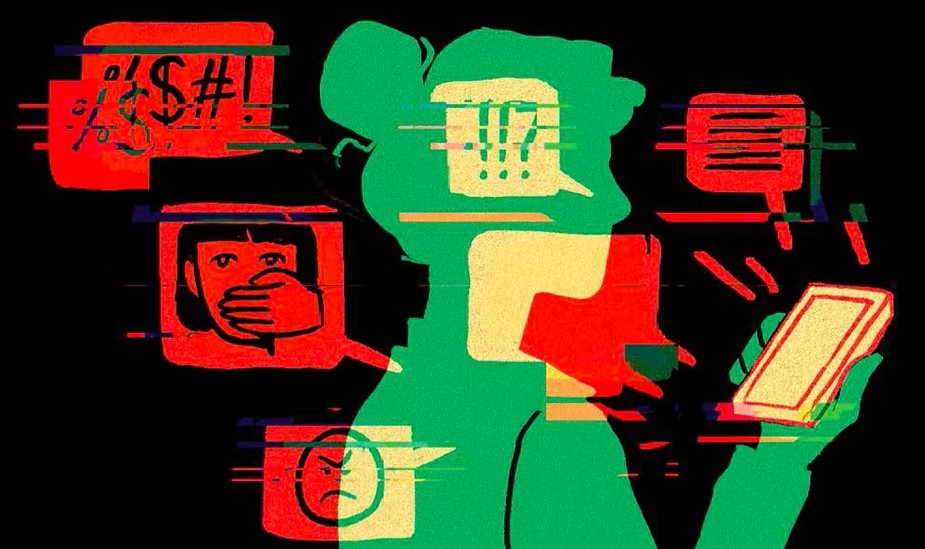
Women—particularly women of color, LGBTQ+ women, journalists and public figures—face disproportionate levels of misogyny and online sexual abuse. Threats of rape, graphic sexual insults and coordinated harassment campaigns are commonplace [Image credit: United Nations Educational, Scientific and Cultural Organization (UNESCO)]
The depiction of women on social media is one of the most contested and revealing features of contemporary digital culture. Platforms that promised democratized expression and global connection have also become spaces where women’s identities are curated, commodified, scrutinized and, at times, violently attacked. From aspirational lifestyle imagery to sexually explicit content circulated without consent, the representation of women online reflects deeper structural inequalities that shape offline society.
Social media platforms such as Instagram, TikTok and X rely heavily on visual engagement. Algorithms reward content that captures attention quickly, often privileging idealized body types, sexualized aesthetics and sensational imagery. As a result, many women creators feel pressure to conform to narrow beauty standards—youthful appearance, thinness or hyper-curated glamour—to remain visible. While some women strategically use sexuality as a form of agency or branding, the broader ecosystem often reduces women to their bodies, reinforcing long-standing patterns of objectification.
The sexually explicit nature of much online content complicates this dynamic. On subscription-based platforms such as OnlyFans, women may choose to monetize adult content on their own terms, challenging traditional gatekeepers of the adult entertainment industry. However, the line between consensual self-expression and exploitation is frequently blurred. Screenshots, recordings and intimate images are often shared beyond intended audiences without permission, fueling what is commonly known as image-based sexual abuse. Non-consensual pornography, including “revenge porn” and digitally manipulated deepfake videos, has become a pervasive threat. Artificial intelligence tools can superimpose a woman’s face onto explicit material, creating fabricated content that can damage reputations, careers and mental health.
Moreover, women—particularly women of color, LGBTQ+ women, journalists and public figures—face disproportionate levels of misogyny and online sexual abuse. Threats of rape, graphic sexual insults and coordinated harassment campaigns are commonplace. Research consistently shows that women who speak about politics, feminism or social justice are more likely to receive sexually explicit abuse intended to silence or intimidate them. The anonymity afforded by digital platforms often emboldens perpetrators, while reporting mechanisms can be slow or ineffective.
The consequences are profound. Many women self-censor, withdraw from public debate or lock their accounts to avoid harassment. The psychological toll includes anxiety, depression and a persistent sense of vulnerability. Young girls growing up in this environment may internalize the message that visibility comes at the cost of objectification, and that participation in public discourse invites sexual scrutiny. The normalization of sexually explicit harassment distorts cultural understandings of consent and respect.
At the same time, it is important to recognize that social media has also enabled feminist activism and body positivity movements. Hashtags and campaigns have challenged unrealistic beauty norms and exposed systemic abuse. Survivors of harassment have found solidarity and collective voice online. Yet these gains coexist uneasily with a digital economy that often monetizes outrage, shock value and sexual provocation.
Addressing misogyny and online sexual abuse requires structural reform from social media companies. First, platforms must strengthen proactive moderation systems. Artificial intelligence tools should be trained to detect not only explicit images but also patterns of sexualized threats and degrading language. Content flagged as sexually violent or abusive must be removed swiftly, with transparent timelines and clear explanations to users. Crucially, moderation teams should include experts in gender-based violence to ensure that policies reflect lived realities.
Second, companies must implement robust protections against image-based abuse. This includes hash-based detection systems that prevent the re-uploading of previously reported intimate images. Victims should be able to submit encrypted versions of images to block distribution without being forced to share the content publicly. Platforms must also collaborate across companies so that once abusive material is identified, it cannot migrate easily from one site to another.
Third, algorithmic transparency is essential. If recommendation systems disproportionately amplify sexually explicit or objectifying depictions of women because they generate engagement, companies must recalibrate those systems. Profit-driven amplification should not override user safety. Independent audits can help ensure that algorithms do not reinforce misogynistic trends.
Fourth, reporting processes must be simplified and trauma-informed. Women who report sexual abuse online should not face burdensome evidentiary demands or automated dismissals. Dedicated response teams could provide timely feedback and referrals to legal or counseling resources where appropriate. Repeat offenders should face escalating penalties, including account suspension and, in severe cases, referral to law enforcement.
Education is another critical pillar. Platforms can integrate digital literacy campaigns that emphasize consent, respectful communication and the legal consequences of sharing intimate content without permission. Partnerships with schools and civil society organizations can foster healthier online norms among young users.
Finally, governments have a role in establishing clear regulatory frameworks that define and penalize online sexual abuse while safeguarding freedom of expression. However, regulation must be carefully crafted to avoid over-censorship or the suppression of legitimate sexual expression by consenting adults. The goal is not to police women’s bodies but to protect their autonomy and dignity.
The depiction of women on social media sits at the intersection of empowerment and exploitation. While digital spaces have expanded opportunities for creativity and self-representation, they have also intensified scrutiny and sexualization. Social media companies cannot remain neutral conduits when their design choices shape these outcomes. By embedding protections against misogyny and online sexual abuse into platform architecture, policy and culture, they can move closer to fulfilling their promise of inclusive and equitable digital public spaces.