Cong Slams Modi Govt Over Trump’s Tariff Remarks, Invokes Indira’s 1971 Defiance
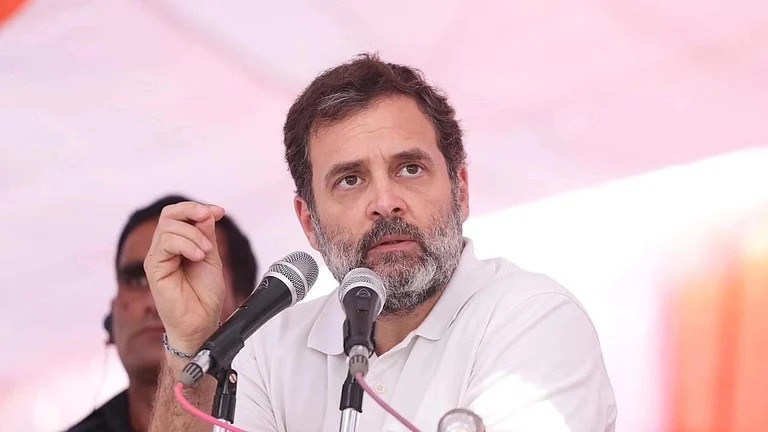
Congress leader Rahul Gandhi launched a sharp attack on the government on Wednesday
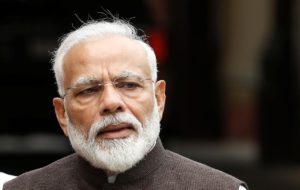
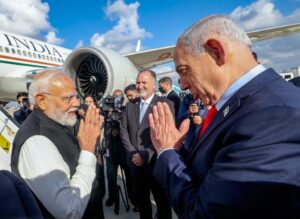
Against the backdrop of US President Donald Trump’s comments on his relationship with Prime Minister Narendra Modi and tariffs on India, Congress leader Rahul Gandhi on Wednesday launched a sharp attack on the government, drawing parallels to former Prime Minister Indira Gandhi’s defiance during the 1971 Indo-Pak war. Trump, addressing the House GOP Member Retreat on Tuesday, remarked, “I have a very good relationship with him [Modi]. He’s not that happy with me because, you know, they’re paying a lot of tariffs now because they’re not doing the oil, but they are — they’ve now reduced it very substantially, as you know, from Russia.” He further claimed Modi had personally requested a meeting, stating, “Prime Minister Modi came to see me, ‘Sir, may I see you please’. Yes.”
In response, Gandhi took to X (formerly Twitter), posting “Farq samjho, sir ji!”—meaning “Understand the difference, sir!” in Hindi—and attached an old video clip. In the video, Gandhi accused Modi of “surrendering” after a call from Trump during the India-Pakistan military standoff in May 2025, juxtaposing it with Indira Gandhi’s resolve. “This is the difference,” Gandhi said, highlighting how Indira Gandhi stood firm against US pressure, including the deployment of the Seventh Fleet during the 1971 war.
Congress general secretary in-charge of communications Jairam Ramesh joined the fray, sharing a clip of Trump’s remarks and tweeting: “From Namaste Trump to Howdy Modi to Donald bhai and now this. What next?” Ramesh’s post ridiculed the evolving nature of the Modi-Trump dynamic, from affectionate nicknames to perceived concessions.
Trump’s tariffs impose a 50% levy on India, with a 25% surcharge specifically tied to New Delhi’s Russian oil purchases. He also mentioned delays in Apache helicopter deliveries, saying, “We’re changing it. We’re changing it. India ordered 68 Apaches,” and noted India had been waiting five years. Earlier in the week, Trump warned that tariffs could be raised on India “very quickly,” prompting Congress to criticize the government. The party argued that high-profile events like “Namaste Trump” and “Howdy Modi,” along with overt displays of friendship, had failed to protect India’s interests.
This latest opposition salvo highlights intensifying political debates on India-US relations. Congress aims to depict the Modi administration as yielding to American pressure, while the government asserts that ties remain solid amid trade and energy disagreements. Gandhi’s reference to Indira Gandhi frames the tariffs as a sign of diplomatic weakness, urging a return to nationalistic steadfastness. As Ramesh’s tweet implies, the “Donald bhai” epithet—once a symbol of camaraderie—now epitomizes an unequal partnership. With tariffs potentially straining economic bonds, the discourse underscores calls for a more assertive foreign policy stance.