Anjel Chakma Death: NHRC To Probe Incident
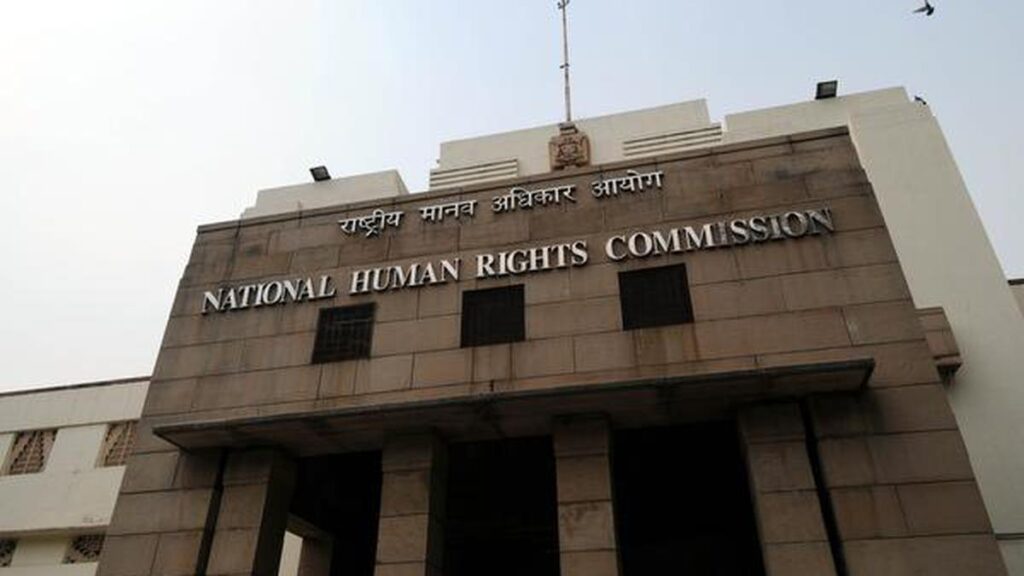
The NHRC has swiftly taken cognisance of the incident, issuing notices to the Dehradun district magistrate and the city’s senior superintendent of police
The tragic death of 24-year-old Anjel Chakma, a final-year MBA student from Tripura, has cast a long shadow over Dehradun, igniting outrage across India. It has now drawn the scrutiny of the National Human Rights Commission (NHRC). Anjel succumbed to injuries from a brutal attack on December 9, after enduring 17 mortifying days in hospital. The assault, allegedly fueled by racial slurs, has underscored the persistent prejudices faced by people from India’s North-Eastern states.
The NHRC has swiftly taken cognisance of the incident, issuing notices to the Dehradun district magistrate and the city’s senior superintendent of police. Authorities have been directed to “investigate the allegations meticulously and submit a detailed action report within seven days.” A copy of the case proceedings is also to be forwarded to the Uttarakhand chief secretary and director general of police. The commission has emphasized the “urgent need to ensure the safety and dignity of all North-Eastern students across the state.”
According to family accounts, Anjel was attacked while defending his brother, who had been mockingly called “Chinese” by his assailants. Despite asserting his identity as an Indian citizen, Anjel was reportedly struck with knives and blunt objects. His father, a BSF jawan serving in Manipur, described the assault as “brutal” and decried the “racial overtones” that culminated in his son’s untimely death.
Presiding NHRC member Priyank Kanoongo has taken note under Section 12 of the Protection of Human Rights Act, 1993, observing that the incident reflects “not only an egregious violation of Anjel’s right to life, dignity, and equality, but also a broader failure of local authorities to safeguard vulnerable communities.” The complaint highlighted that the attack embodies “deep-seated racial discrimination against North-Eastern citizens” and demanded “urgent systemic measures to prevent such hate-based crimes in the future.”
The tragedy has resonated far beyond Dehradun. On Monday, Uttarakhand chief minister Pushkar Singh Dhami personally spoke with Anjel’s father, assuring that “the perpetrators would face stringent punishment.” Leaders across the political spectrum have called for “united and decisive action to eradicate hate crimes targeting North-Eastern communities,” emphasising that “no citizen should live under the shadow of fear or prejudice while pursuing education or livelihood in any part of India.”
This incident highlights the ongoing challenges faced by North-Eastern communities in mainland India, where racial stereotypes persist despite constitutional guarantees of equality. Experts point out that such attacks are not isolated but part of a pattern of discrimination affecting education, employment, and social integration. The NHRC’s intervention is a critical step, but broader reforms are needed to address root causes, including awareness campaigns and stricter enforcement of anti-discrimination laws.
The Chakma family’s ordeal underscores the human cost of prejudice. Anjel’s father, a dedicated BSF officer, expressed grief over losing his son to senseless violence, stating, “He was defending his brother and his identity as an Indian.” This case has sparked discussions on the safety of students from North-East India, who often face xenophobia in cities like Dehradun, known for its educational institutions.
Political responses have been swift, with calls for accountability. Chief Minister Dhami’s assurance of “stringent punishment” reflects a commitment to justice, but critics argue that systemic changes are essential to prevent recurrence. The NHRC’s role in monitoring human rights violations is pivotal, as it can recommend actions to ensure perpetrators are prosecuted and victims receive support.
Anjel Chakma’s death is a stark reminder of the work needed to foster inclusivity in India. As the inquiry progresses, the focus must shift from outrage to action, ensuring that no one is marginalized based on ethnicity or region. The nation’s unity depends on upholding the dignity of every citizen, regardless of origin.