Kharge Slams Govt, Calls Economic Policies ‘Burden On 1.4 Billion Indians’
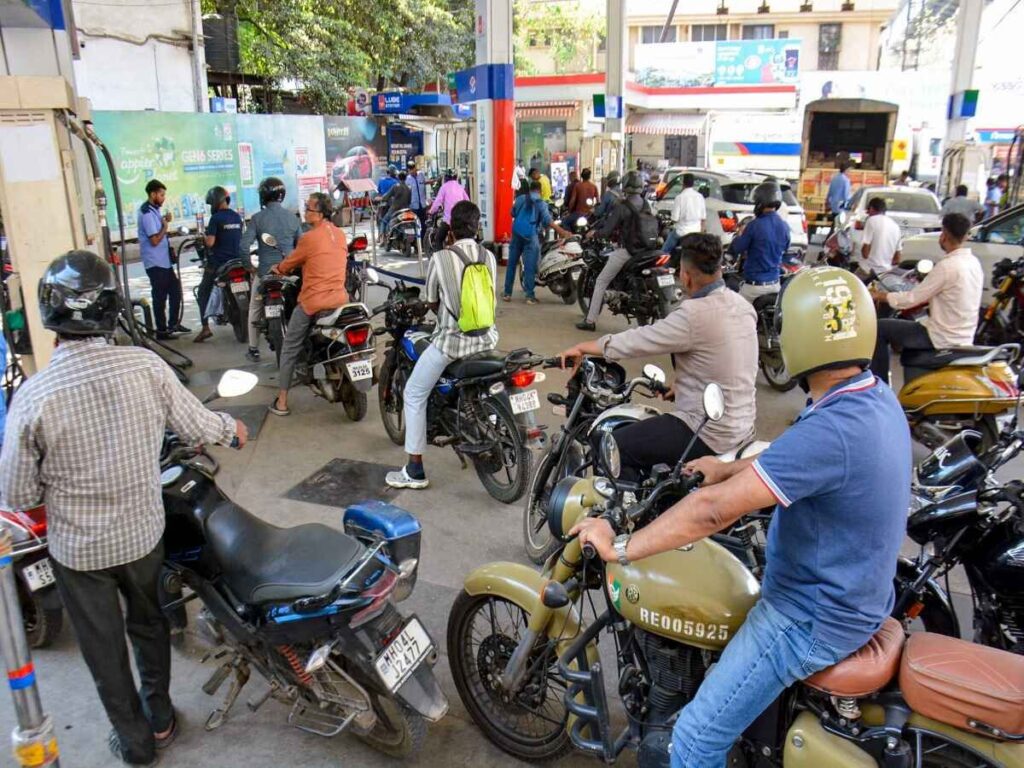
Kharge's criticism came after state-run oil marketing companies announced another increase in fuel prices within days of the previous hike, triggering sharp reactions from Opposition parties over rising inflation and the increasing cost of living (Image: PTI)
Congress president Mallikarjun Kharge on Wednesday launched a scathing attack on the central government, accusing it of economic mismanagement and failing to shield citizens from a relentless rise in the cost of living. As prices of essential commodities continue to climb, Kharge argued that the burden of policy failures is being directly felt by ordinary Indians across sectors.
In a strongly worded post on X, Kharge said the government’s approach had “dismantled” India’s economic and strategic foundations. “The impact of this mismanagement is now being borne by 1.4 billion Indians,” he said, framing the current price rise not as an isolated issue but as part of a broader systemic failure.
Rising Costs Across Sectors
Kharge pointed to a series of recent price hikes to underline what he described as a worsening economic situation. Among the most significant increases are those in aviation turbine fuel (ATF) and commercial LPG cylinders—both of which have far-reaching ripple effects across industries and households.
“Commercial LPG cylinder prices are skyrocketing, while shortages persist on the ground. From roadside tea stalls to the Mid-Day Meal scheme, all are adversely affected,” Kharge said. His remarks highlight how rising fuel costs are not confined to urban consumers or large industries but are also impacting small businesses and welfare programmes that millions rely on daily.
The surge in ATF prices has been particularly steep, with rates in Delhi reportedly more than doubling. Kharge warned that this sharp increase would inevitably push up airfares, further limiting accessibility. “Air travel is becoming an elusive dream for the common man,” he said, adding that the removal of fare caps has only worsened affordability.
Beyond fuel, Kharge raised concerns about rising healthcare costs, noting that “over 900 essential medicines have become costlier.” He also flagged increases in the prices of coronary stents, a critical medical device, arguing that such hikes place an additional financial strain on families already grappling with inflation.
The Congress leader extended his criticism to a wide range of sectors, citing higher toll charges, increased Speed Post rates, and rising input costs for industries. Materials such as plastic, steel, ceramics, and bitumen have all seen price increases, he said, adding that these hikes are putting pressure on construction activity and infrastructure development.
Farmers, too, are not insulated from these rising costs. Kharge pointed out that essential agricultural inputs, including PVC pipes and other materials, have become more expensive, further squeezing already tight margins in the farming sector.
“No Relief for Citizens”
Kharge’s criticism goes beyond listing price hikes; it questions the government’s broader economic priorities. “At a time when citizens, farmers, labourers and MSMEs are waiting for relief, the BJP leadership is focused on looting the public,” he alleged, sharpening the political attack.
Recent developments in fuel pricing have added weight to the opposition’s argument. State-run Indian Oil Corporation has raised prices of premium fuels, while ATF rates have surged dramatically, crossing the ₹2 lakh per kilolitre mark for the first time in Delhi. Despite this, petrol and diesel prices have remained unchanged in major cities, even as global crude oil prices rise amid geopolitical tensions.
This selective pricing trend has raised questions about the government’s strategy. Critics argue that holding petrol and diesel prices steady while allowing other fuel costs to rise creates a misleading perception of stability, while the actual burden is shifted to other sectors that indirectly affect consumers.
The increase in commercial LPG prices is another flashpoint. Unlike subsidised domestic cylinders, commercial LPG directly impacts businesses, eateries, and public services. As these costs rise, they are often passed on to consumers, contributing to a broader inflationary cycle.
Kharge’s remarks tap into a growing sense of unease about the rising cost of living. While official narratives may highlight macroeconomic stability, the day-to-day reality for many citizens tells a different story—one of tightening budgets and diminishing purchasing power.
The opposition has consistently argued that the government has failed to provide adequate relief measures, especially for vulnerable groups. With inflation affecting everything from food and fuel to healthcare and transportation, the absence of targeted interventions has become a key point of criticism.
As the political debate intensifies, the issue of rising prices is likely to remain at the forefront. For millions of Indians, the question is not just about economic indicators but about affordability and survival. Kharge’s sharp critique underscores a broader challenge for the government: addressing immediate financial pressures while restoring public confidence in its economic management.
Whether the Centre responds with policy changes or continues to defend its record, the growing chorus of criticism suggests that the issue of inflation—and its impact on everyday life—is far from being resolved.