Harish Rana, The First Indian To Be Allowed ‘Passive Euthanasia’, Dies
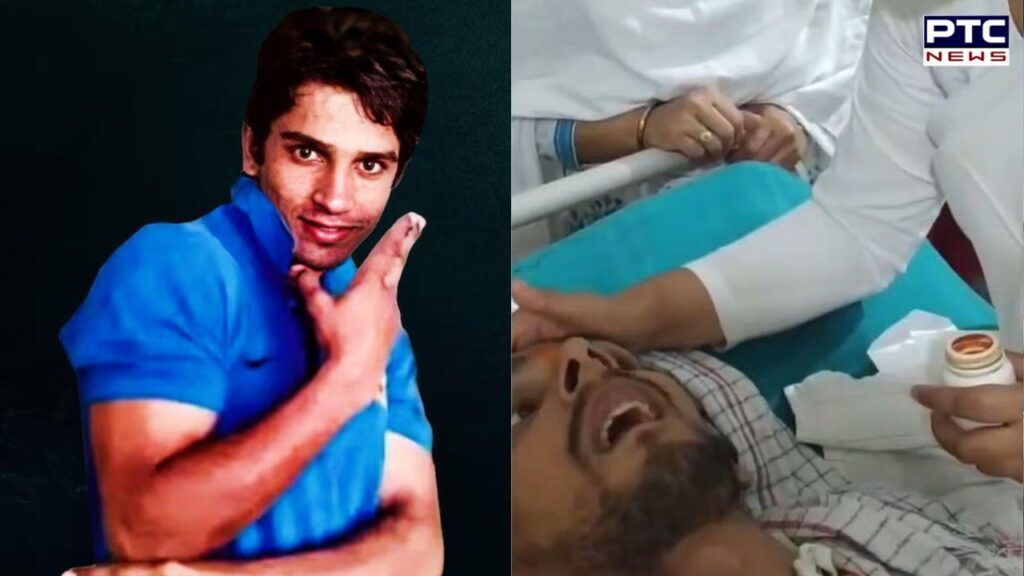
Harish Rana suffered a devastating accident in 2013, when he fell from a fourth-floor balcony, leaving him in a coma from which he never recovered. For over a decade, his life was sustained through artificial means, including oxygen support and clinically administered nutrition via a feeding tube. Despite the passage of time, there was no medical hope of recovery, and his existence remained entirely dependent on life-sustaining interventions
Harish Rana’s passing on March 24 at AIIMS Delhi marks a deeply significant moment in India’s legal and ethical landscape. After spending more than 13 years in a persistent vegetative state, Rana became the first individual in the country to be granted passive euthanasia through a structured legal and medical process. His case not only reflects a personal tragedy but also represents a turning point in how India approaches end-of-life care, patient autonomy, and the right to die with dignity.
Rana’s condition stemmed from a devastating accident in 2013, when he fell from a fourth-floor balcony, leaving him in a coma from which he never recovered. For over a decade, his life was sustained through artificial means, including oxygen support and clinically administered nutrition via a feeding tube. Despite the passage of time, there was no medical hope of recovery, and his existence remained entirely dependent on life-sustaining interventions.
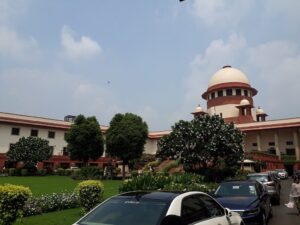
On March 11, 2026, the Supreme Court of India delivered a landmark judgment permitting the withdrawal of this support. The court carefully evaluated medical evidence and concluded that continuing treatment would only prolong biological existence without any prospect of regaining consciousness or meaningful life. In doing so, it applied and expanded upon principles first laid down in earlier rulings that recognised the right to die with dignity as part of the fundamental right to life under Article 21 of the Constitution.
The concept of passive euthanasia—where life support is withheld or withdrawn to allow a natural death—had already been legally recognised in 2018 through the Common Cause judgment. This framework was further refined in 2023 by a Constitution bench, which simplified procedural requirements and introduced safeguards such as mandatory evaluations by primary and secondary medical boards. These measures were designed to ensure that such decisions are made carefully, ethically, and without misuse.
Rana’s case is the first instance where these legal provisions were implemented in a structured and transparent manner. Following the court’s directive, he was admitted to the Palliative Oncology Unit at AIIMS’s Dr B R Ambedkar Institute Rotary Cancer Hospital. There, a specialised medical team led by Dr Seema Mishra supervised the gradual withdrawal of artificial nutrition, ensuring that the process was humane, medically sound, and aligned with established guidelines.
The Supreme Court also acknowledged the extraordinary dedication of Rana’s parents, Ashok and Nirmala Rana, who cared for their son throughout his long and difficult condition. Their decision to pursue passive euthanasia was described as one rooted not in convenience, but in compassion and a desire to preserve dignity after years of irreversible suffering. Their journey highlights the emotional and moral complexities faced by families in similar situations.
Even in death, Rana’s story carried a message of hope and generosity. His family chose to donate his corneas and heart valves, allowing others to benefit from life-saving and life-enhancing medical interventions. This act underscored a powerful commitment to extending life and dignity beyond personal loss.
The case has also reignited public discussion around end-of-life choices in India. Journalist and activist Pinki Virani, known for her involvement in the Aruna Shanbaug case, praised the compassionate care provided by AIIMS and emphasised the importance of individuals communicating their wishes regarding medical treatment in advance. Clear directives, often referred to as living wills, can help families and medical professionals navigate difficult decisions with greater clarity and less emotional burden.
Importantly, the Supreme Court has used this case to push for systemic reform. It has directed the Union government to consider comprehensive legislation on passive euthanasia, aimed at creating a robust and uniform legal framework. Additionally, it has mandated that district chief medical officers maintain panels of registered practitioners who can form medical boards when such cases arise. These steps are intended to ensure consistency, accountability, and dignity in future decisions.
Harish Rana’s case stands as a milestone in India’s evolving understanding of life, death, and dignity. It brings into focus the delicate balance between preserving life and recognising when continued intervention may no longer serve the patient’s best interests. As legal, medical, and ethical frameworks continue to develop, his story will remain a reference point in shaping compassionate and responsible end-of-life care in India.