How Three Lakes In Kumaon Have Become Sinks For Microplastic Pollution
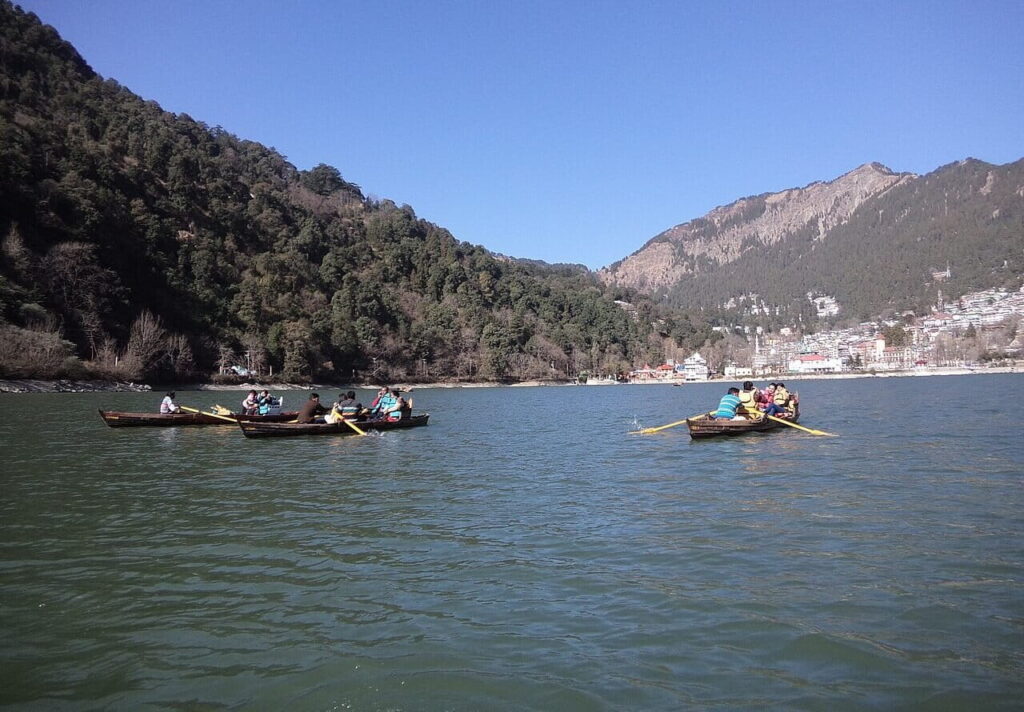
The Nainital lake (Image by Neharajpoot via Wikimedia Commons)
Microplastics have been found in three lakes in the Kumaon region of Uttarakhand, with concentrations increasing in more urbanised areas, a new study has found. High altitude lakes are especially vulnerable to the accumulation of microplastics because they react quickly to changes in the watershed.
Three high altitude lakes in Kumaon were chosen for the study – Nainital lake, Garudtal lake, and Bhimtal lake. The researchers looked not only at levels of pollution in the lakes, but also whether land use types had a role to play. Of the three, Garudtal was the most remote, with no permanent residential areas around the lake. By contrast, Nainital had a watershed population of 26,859 people, and Bhimtal 8,413 people.
A total of 24 samples were collected across all three lakes, which were filtered using a 90 micrometre sieve. The extent of microplastic pollution was characterised using three parameters: Contamination Factor (CF), which quantifies the level of contamination associated with each polymer, Pollution Load Index (PLI), which provides an integrated measure of microplastic pollution loads across all sampling sites, and Polymer Hazard Index (PHI), which assesses the potential ecological impacts of microplastic pollution based on each polymer abundance and its hazard score.
Concentrations ranged from 200 to 1,300 items per metre cubed in Nainital Lake, 60 to 960 items per metre cubed in Bhimtal Lake, and 40 to 320 items per metre cubed in Garudtal lake. The “result reveals that the microplastic concentration of these lakes varies from each other mainly due to the population density (residential area) and anthropogenic activities (number of tourists visiting the lake, boating, and roads),” the study says.
An overwhelming majority of microplastics found were fibres, which “have demonstrated an increased impact on biota when they are ingested compared to other plastic shapes,” it adds. Some fibres may have come from the washing of synthetic textiles, which can release up to 700,000 fibres into water bodies. Other sources, particularly around the sparsely populated Garudtal lake, could have come from tire and road wear particles which leaked into the lake.
The hazard level of the lakes as per the PLI indicated a preliminary level of contamination. However, PHI values exceed 1,000 in most samples, indicating a severe risk of ecological harm due to the high concentration of polyester fibres in the samples.
“Including microplastic monitoring into national environmental programs, such as the National Plan for Plastic Waste Management and National Mission for Clean Ganga (NMCG) could strengthen India’s effort to mitigation strategies in the Himalayan region,” says the study.
Most complex environmental challenge of 21st century
Microplastic pollution has emerged as one of the most pervasive and complex environmental challenges of the 21st century. Microplastics are tiny plastic particles less than five millimetres in size, often invisible to the naked eye, yet widespread across oceans, rivers, soil, air and even the human body. Their small size allows them to travel vast distances, infiltrate ecosystems and accumulate in living organisms, raising serious ecological and health concerns.
Microplastics originate from two main sources: primary and secondary plastics. Primary microplastics are intentionally manufactured at microscopic sizes for use in products such as cosmetics, cleaning agents and industrial abrasives. Microbeads in face scrubs and toothpaste are classic examples, though many countries have now restricted their use. Secondary microplastics, on the other hand, result from the breakdown of larger plastic items such as bottles, bags, fishing nets and packaging materials. Exposure to sunlight, heat, wind and wave action causes plastic waste to fragment over time into smaller and smaller pieces, eventually becoming microplastics.
One of the major contributors to microplastic pollution is the fashion industry. Synthetic fabrics such as polyester, nylon and acrylic shed tiny plastic fibres during washing. These fibres pass through wastewater treatment systems and enter rivers and oceans. Similarly, vehicle tyres release microplastic particles as they wear down on roads, which are then carried by rainwater into waterways. The sheer scale of plastic production—hundreds of millions of tonnes annually—means that microplastic generation is both continuous and accelerating.
The environmental impact of microplastics is profound. Marine organisms often mistake microplastics for food. Fish, seabirds, turtles and plankton ingest these particles, which can cause internal injuries, block digestive tracts and reduce nutrient absorption. Microplastics can also absorb toxic chemicals from the surrounding environment, including pesticides and heavy metals. When ingested, these toxins may accumulate in the food chain, potentially affecting larger predators, including humans.
Beyond oceans, microplastics have been found in agricultural soil, drinking water and even the air we breathe. Studies have detected microplastics in human blood, lungs and placental tissue, although the long-term health effects are still being studied. Scientists are investigating whether chronic exposure could contribute to inflammation, hormonal disruption or other medical conditions. While definitive conclusions are still emerging, the presence of plastic particles inside the human body underscores the urgency of the issue.
Addressing microplastic pollution requires a multi-layered approach. Reducing overall plastic production and consumption is fundamental. Governments can implement stricter regulations on single-use plastics, improve waste management systems and encourage the development of biodegradable alternatives. Industries can innovate by designing products that shed fewer microfibres and by improving recycling technologies. At the individual level, consumers can choose reusable products, avoid synthetic textiles when possible and support sustainable brands.
Public awareness is also critical. Microplastics are largely invisible, making the problem easy to ignore. However, their impact is tangible and far-reaching. Tackling microplastic pollution demands coordinated global action, scientific research and behavioural change. Without meaningful intervention, microplastics will continue to accumulate in ecosystems and bodies alike, posing risks to environmental integrity and human well-being for generations to come.